
Buyer Guides
June 30, 2026
NYC Rent Freeze 2026: What It Means for Buyers, Sellers & the Manhattan Market
On June 25, 2026, the New York City Rent Guidelines Board voted 7-1 to approve a 0% increase on both one-year and two-year leases for rent-stabilized apartments — the first time in the board's history that both lease lengths have been frozen simultaneously. The vote fulfills a central campaign pledge of Mayor Zohran Mamdani, who appointed six of the nine board members. The freeze takes effect for all qualifying leases beginning October 1, 2026 through September 30, 2027, covering approximately 1 million rent-stabilized apartments and an estimated 2 million New Yorkers.
If you are a luxury buyer, seller, or investor in Manhattan's condo and co-op market, you likely have one question: does this affect me? The short answer is no — but the downstream effects on buyer demand, renter behavior, and investment capital flows are worth understanding. Here is everything you need to know.
What the Rent Freeze Actually Covers
Rent stabilization applies to apartments in buildings containing six or more units that were constructed before 1974, as well as certain newer buildings that received tax incentives in exchange for regulation. The NYC Rent Guidelines Board sets the maximum allowable increase each year for lease renewals in these units. The newly approved freeze locks that increase at 0% for both one-year and two-year renewals — meaning landlords of regulated buildings cannot raise rents on renewing tenants at all during the applicable lease period.
The median rent in a rent-stabilized apartment is approximately $1,500 per month — a fraction of what comparable market-rate units command. For context, last year's allowable increases were 3% for one-year leases and 4.5% for two-year leases. This year: zero across the board.
~1M
Rent-Stabilized Units
~2M
New Yorkers Affected
7–1
Board Vote
0%
Rent Increase (1 & 2 Yr)
Oct 1
Freeze Effective Date
~40%
of NYC Rental Stock
What the Freeze Does NOT Affect
This is the section that matters most to our clients. The rent freeze has zero direct impact on the following property types:
- •Luxury condominiums and co-operative apartments — not subject to rent stabilization regardless of building age
- •Market-rate rental apartments — freely negotiated between landlord and tenant
- •New construction buildings (post-1974) that did not receive rent-stabilization tax incentives
- •Individual condo units in formerly rental buildings — once converted, these are market-rate properties
- •Townhouses and single-family homes
If you are buying or selling a condo at 158 Mercer Street, a penthouse at 1 Central Park South, or any luxury condominium in Manhattan, the rent freeze is structurally irrelevant to your transaction. Pricing, demand, and value in this segment are governed by entirely different market forces — ones we track closely in our Manhattan Luxury Market Report: Q1 2026.
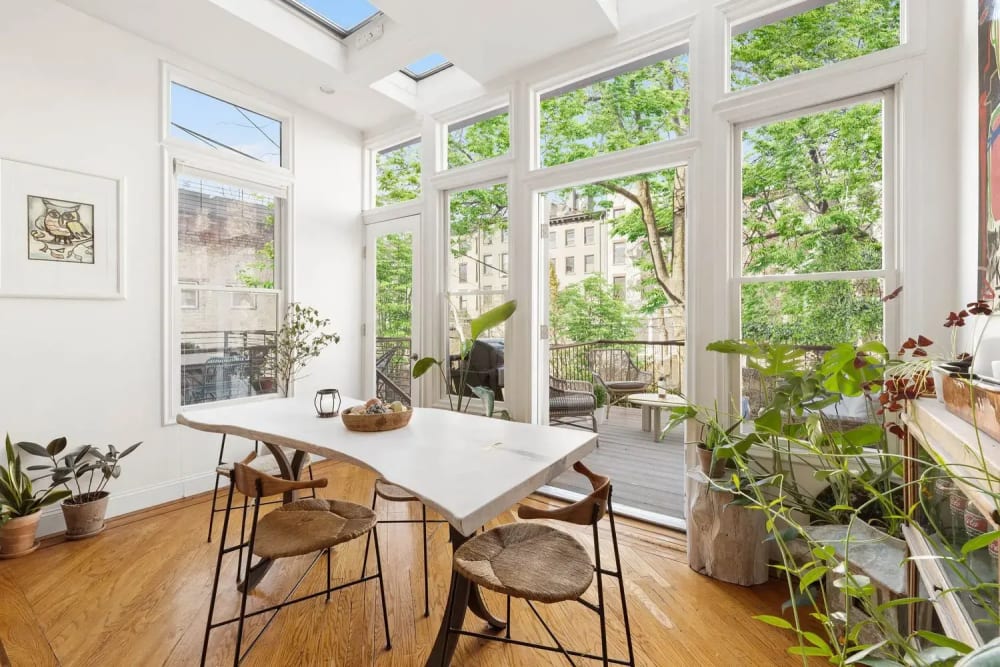
The Renter-to-Buyer Opportunity
Here is where the freeze becomes quietly interesting for the sales market. There is a widely held assumption that frozen rents keep renters renting. The logic: if your rent can't go up, why would you leave? But the arithmetic is more nuanced than that.
Consider a renter in a stabilized apartment paying $1,800 per month. Their rent is now frozen — but so is the unit's upside. They are not building equity. They are not accumulating tax deductions through mortgage interest. And the market-rate condo they might buy has not frozen in price — it continues to appreciate. Every month they delay ownership, the gap between their frozen rent and the actual cost of buying may widen. The freeze doesn't make buying less attractive. In some cases, it crystalizes the choice: your rent is as low as it will ever be, and if you are thinking about buying, there is no better time to have that conversation.
For would-be buyers who have been sitting on the fence — particularly in the $1.5M–$3M condo and co-op range — this policy moment may actually accelerate their timeline. If you are in this position, our step-by-step guide to buying a luxury apartment in NYC is a useful starting point, and our condo vs. co-op buyer's guide can help you decide which ownership structure is right for your situation.
What Sellers Need to Know
For owners of luxury condos and co-ops looking to sell, the rent freeze changes nothing about your pricing strategy or market positioning. Demand for well-located, well-appointed Manhattan properties remains exceptionally strong heading into the second half of 2026, as outlined in our NYC Real Estate Market Forecast for 2026.
If anything, the freeze reinforces the value proposition of condo ownership over renting. Sellers who frame their listing correctly — emphasizing the building-equity argument against a backdrop of frozen, non-appreciating rents — may find a more motivated buyer pool than they expect. The features that make a Manhattan property truly valuable remain unchanged: location, light, layout, and building quality.
The Investment Property Reality Check
For buyers considering multifamily rental buildings or mixed-use properties with rent-stabilized units, the freeze demands serious underwriting discipline. The landscape for these assets was already significantly tightened by New York's 2019 Housing Stability and Tenant Protection Act, which eliminated most pathways landlords historically used to deregulate apartments upon vacancy. The 2026 freeze compounds the pressure.
With zero allowable rent increases and rising operating costs — insurance premiums, utilities, and labor have all climbed materially — the net operating income for regulated rental buildings faces a genuine squeeze. The Real Estate Board of New York stated the decision "will make New York's housing crisis worse," citing the roughly 57,000 rent-stabilized units currently sitting vacant because the economics of renovation and re-leasing no longer pencil out.
If you are evaluating income-producing property in New York, our guide to emerging neighborhoods in NYC for investors highlights markets and asset types where the fundamentals are more favorable — neighborhoods and building types where your capital can work harder.
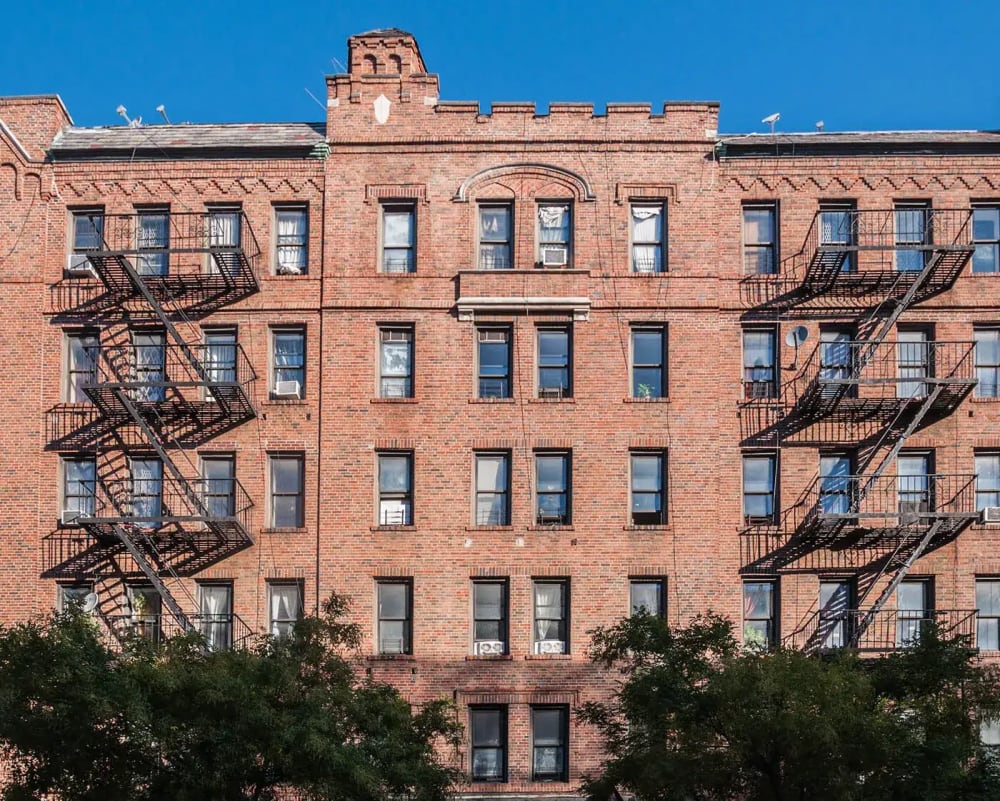
The Broader Market Signal
Mayor Mamdani's rent freeze is not an isolated policy — it is a signal about the political direction of New York City housing policy. For luxury buyers and sellers, the takeaway is not alarm, but awareness. The city is making a sustained political commitment to affordability in the regulated sector. That focus, paradoxically, reinforces the case for the market-rate luxury segment: premium, well-located condos and co-ops are insulated from regulatory caps by design, and their value is driven by factors that no rent board vote can touch.
Neighborhoods like SoHo, Tribeca, and the Upper West Side — where our current exclusive listings are concentrated — are dominated by luxury condominiums and prewar co-operatives that exist in an entirely different market from the rent-stabilized stock. Understanding the distinction is essential context for any serious buyer or seller operating in this city right now.

How Interest Rates Factor In
No market analysis in mid-2026 is complete without acknowledging the interest rate environment. As detailed in our piece on how interest rates are reshaping NYC luxury real estate, the Federal Reserve's policy trajectory continues to be the single biggest variable for financed buyers. The rent freeze may push some renters toward ownership faster — but their ability to act depends heavily on where rates land in Q3 and Q4. We continue to watch this closely and will update our analysis as new data becomes available.
The Official Record
The full text of the Rent Guidelines for October 1, 2026 to September 30, 2027 is published in the NYC Rules registry. For further reading, CNN's coverage provides a strong overview of the vote itself, and Time magazine's analysis covers the policy history and what the freeze means for tenants going forward.
If you have questions about how the current policy environment affects your specific situation — whether you are buying, selling, or evaluating an investment — I am always available for a direct, no-pressure conversation. Reach out anytime.
Back to BlogBuyer Guides