
Market Reports
December 20, 2025
How Interest Rates Are Reshaping NYC Luxury Real Estate
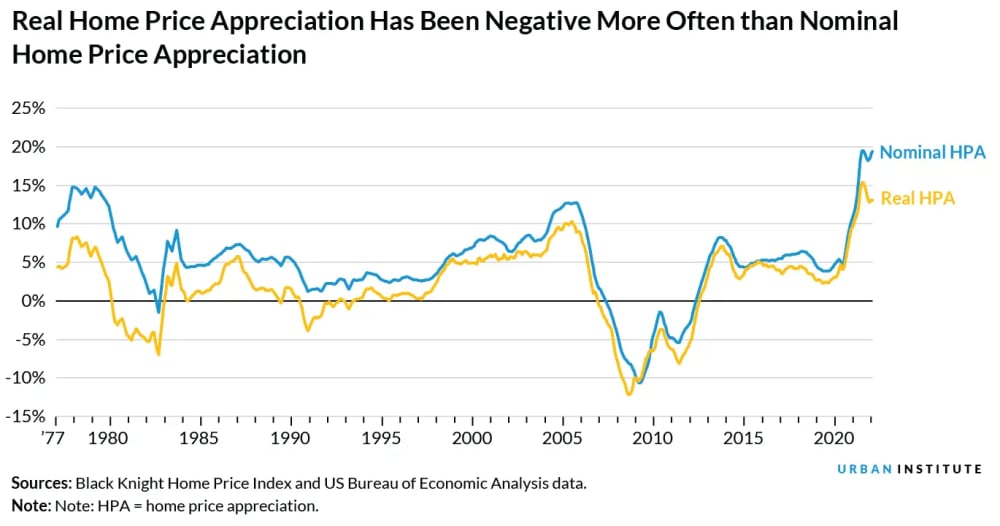
Interest rates have always mattered in real estate, but their influence on the NYC luxury market has intensified dramatically since 2022. The Federal Reserve's aggressive tightening cycle pushed mortgage rates to levels not seen in over two decades, fundamentally altering buyer psychology, negotiation dynamics, and pricing strategies across every segment of the market. Understanding how rates affect luxury transactions is now essential knowledge for both buyers and sellers.
The Rate Environment in Context
As of late 2025, 30-year fixed rates tracked by Freddie Mac for jumbo mortgages sit in the 6% to 7% range, down from their peak but still substantially above the sub-3% rates that fueled the pandemic-era buying frenzy. For a buyer financing a $5M purchase with 20% down, the monthly payment difference between a 3% rate and a 6.5% rate is roughly $7,500. That is a meaningful number, even for high-net-worth individuals, and it has reshaped how buyers approach the market.
The luxury segment is somewhat insulated from rate sensitivity because a higher percentage of transactions are cash purchases. In Manhattan, approximately 50% of luxury sales above $4M close without a mortgage. However, the other half of buyers who do finance are acutely aware of carrying costs, and their behavior has shifted accordingly. For those navigating the financing landscape, my mortgage guide for luxury NYC real estate provides detailed guidance.
How Rates Are Affecting Buyer Behavior
- •Price sensitivity has increased: buyers are more disciplined about what they are willing to pay, and bidding wars are less common than in 2021 and 2022
- •Cash buyers have a significant advantage in negotiations, often securing discounts of 3% to 5% over financed offers
- •Adjustable-rate mortgages (ARMs) have surged in popularity, with 7/1 and 10/1 ARM products accounting for over 40% of luxury mortgage originations
- •Portfolio lending through private banks is increasingly common, with customized terms and relationship pricing
- •Some buyers are choosing to rent luxury apartments while waiting for rates to moderate, creating strength in the high-end rental market
Impact on Pricing and Negotiations
The rate environment has created a more buyer-friendly negotiation dynamic in many segments of the luxury market. Sellers who priced aggressively in 2023 and 2024 saw their listings sit, leading to price reductions and extended days on market. The lesson has been clear: accurate pricing from day one is more important than ever. Properties that are priced in line with current market conditions continue to attract strong interest, while those testing aspirational prices face a challenging path. My guide to pricing strategy for luxury homes in NYC covers this topic in depth.
Interestingly, the ultra-luxury segment above $20M has been less affected by rate movements, since these transactions are overwhelmingly cash. Trophy properties in landmark buildings along Central Park, in prime Tribeca loft conversions, and in the most exclusive new developments continue to trade at premium levels when they offer truly exceptional quality and location.

Developer Strategies
New development sponsors have been among the most creative in responding to the rate environment. Temporary rate buydowns, where the developer subsidizes the buyer's mortgage rate for the first two to three years, have become a popular incentive. Some sponsors are also offering to pay a portion of closing costs or providing credit toward common charges. These concessions effectively reduce the buyer's cost without requiring a reduction in the stated sale price, which helps preserve comparable values in the building.
Looking Forward
The consensus among economists and market analysts is that rates will gradually decline through 2026, though the pace and magnitude remain uncertain. Even a modest reduction of 50 to 75 basis points could meaningfully impact buyer sentiment and unlock pent-up demand. For sellers, the message is to prepare now: invest in staging, address deferred maintenance, and work with an experienced agent to develop a strategic pricing approach that reflects the current market reality while positioning for the demand surge that lower rates could bring.
Back to Blog