Neighborhood Guides
April 20, 2026
Emerging Neighborhoods in NYC That Are Perfect for Investors
New York City has always rewarded investors who move before the crowd. The neighborhoods that command premium prices today — Tribeca, SoHo, Williamsburg — were once overlooked, undervalued, and dismissed as too far from the action. That cycle is playing out again right now, and for investors with the right guidance, the opportunity is significant. Whether you are evaluating your first investment property or expanding an existing portfolio, understanding where New York is heading — not where it has been — is the key to long-term returns. For a deeper look at the broader market, see my Q1 2026 Manhattan Luxury Market Report.
What drives neighborhood transformation in New York? Infrastructure investment, rezoning, an influx of creative industries, improved transit access, and the arrival of destination dining and retail. Each of the neighborhoods below shows multiple signals converging — a pattern historically associated with the strongest long-term appreciation. My comprehensive neighborhoods guide covers the full range of Manhattan and Brooklyn markets in detail.
1. Mott Haven & The South Bronx — NYC's Most Undervalued Bet
For pure upside potential, nowhere in New York City compares to Mott Haven. Once synonymous with urban blight, the South Bronx neighborhood has undergone a remarkable transformation over the past decade. Now branded in part as "The Piano District" — a nod to the piano manufacturers who once called it home — Mott Haven is attracting developers, artists, and investors priced out of Brooklyn who recognize a generational opportunity. Property values remain among the lowest in the five boroughs while rental demand grows steadily, producing cap rates that are nearly impossible to find anywhere else in the city.
Key investment signals are stacking up. A new luxury rental tower at 2401 Third Avenue delivered hundreds of units; the South Bronx is seeing its first significant wave of market-rate residential development in decades. According to StreetEasy's neighborhood data, median asking rents in Mott Haven have risen sharply as demand outpaces supply. Meanwhile the NYC Economic Development Corporation has committed significant capital to waterfront improvements and commercial corridors, setting the foundation for sustained appreciation. Proximity to Midtown — just two subway stops — means the commute math works for renters.
Investors should focus on multi-family residential and mixed-use buildings along Third Avenue and the waterfront blocks nearest the Harlem River. New construction condos are beginning to appear; for those with a longer horizon, acquiring existing two-to-four family buildings and holding through the next development cycle has historically been the most effective strategy in transitional neighborhoods of this type.
2. Gowanus, Brooklyn — A Rezoning-Fueled Renaissance
In November 2021, the New York City Council approved the Gowanus Neighborhood Rezoning, one of the most significant land-use changes in Brooklyn's history. The plan rezones approximately 82 blocks along the Gowanus Canal to allow for mixed-use development, with a mandate that 30% of new housing units be permanently affordable. The result: an estimated 8,000 new residential units, new public open space, and billions of dollars in private investment flowing into a neighborhood that just five years ago was best known for its Superfund-designated canal.
For investors, the window is still open but narrowing quickly. Pre-development and early-phase acquisitions in rezoning areas have historically generated the strongest returns, and Gowanus is at that inflection point now. The neighborhood benefits from excellent subway access (the F and G lines), proximity to Park Slope and Carroll Gardens to the south, and an existing creative community that provides cultural credibility. Destination restaurants, independent retailers, and arts venues are already established along Smith Street and the surrounding blocks, meaning the lifestyle infrastructure that drives residential demand is already in place.
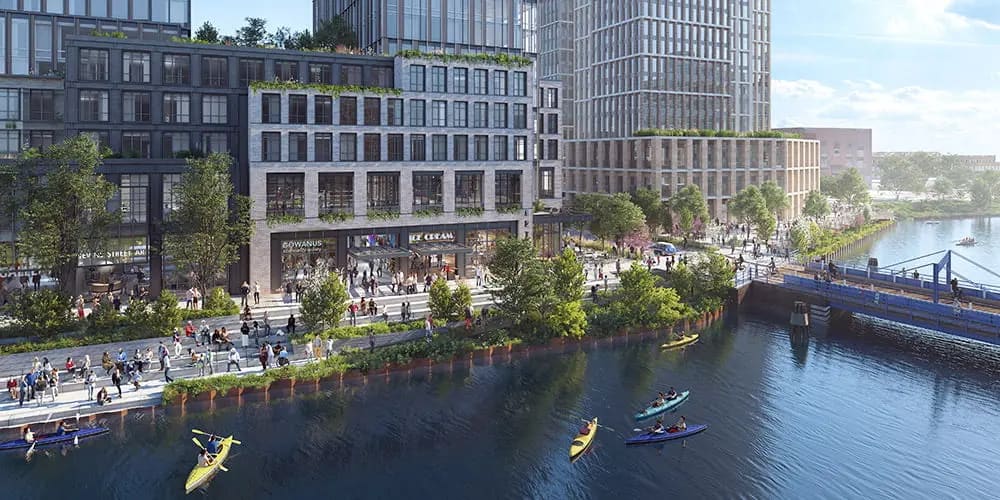
The Brooklyn luxury market overview provides important context for understanding how Gowanus fits within Brooklyn's broader pricing trajectory. Investors targeting Gowanus should look at development sites, air rights plays, and the existing industrial-to-residential conversion opportunities that rezoning has unlocked. Work with an attorney familiar with NYC land use and ensure thorough environmental due diligence given the canal's Superfund history.
3. Long Island City, Queens — The Comeback Story of the Decade
When Amazon cancelled its planned HQ2 campus in Long Island City in 2019, many declared the neighborhood's momentum dead. The market told a very different story. Rather than collapsing, Long Island City absorbed the news and continued its transformation into one of Queens' most vibrant mixed-use neighborhoods. Today it is one of New York's strongest rental markets, with consistently low vacancy and a renter profile skewing toward young professionals drawn by the neighborhood's unmatched Midtown access — just one stop on the E, M, or 7 train from Grand Central and Penn Station.
According to Miller Samuel's Queens market data, Long Island City has posted consistent year-over-year appreciation in both sales and rental pricing. The neighborhood's skyline has been transformed by a wave of luxury towers, but investor opportunities remain in the conversion of older commercial buildings, smaller residential walk-ups, and underdeveloped parcels in the eastern sections of the neighborhood. The Queens waterfront — with sweeping views of the Manhattan skyline — provides an amenity that commands a premium that shows no sign of softening. REBNY's investment data consistently highlights LIC among the top performing outer-borough submarkets.
4. East Harlem — Manhattan's Frontier at a Pivotal Moment
East Harlem — or El Barrio, as longtime residents know it — is Manhattan's last significant frontier for investors seeking borough-wide exposure without the $3,000-per-square-foot price tags of established luxury neighborhoods. Bordered by the Upper East Side to the south and east, East Harlem sits directly adjacent to some of the most expensive real estate on earth while still trading at a fraction of those prices. The Second Avenue Subway's extension north — currently planned to reach 125th Street — represents a transformative infrastructure catalyst that could reshape the neighborhood's trajectory dramatically.
The investment case for East Harlem is also underpinned by the NYC Department of City Planning's East Harlem Rezoning, which has already enabled significant new construction along the 125th Street corridor and Park Avenue. New luxury rental buildings have opened in recent years; as supply begins to stabilize, demand-driven appreciation is expected to follow. Investors should consider pre-war walk-ups — many still priced well below Manhattan-wide averages — as longer-hold positions with strong income potential during the appreciation cycle.
5. Sunset Park, Brooklyn — Industry City and Beyond
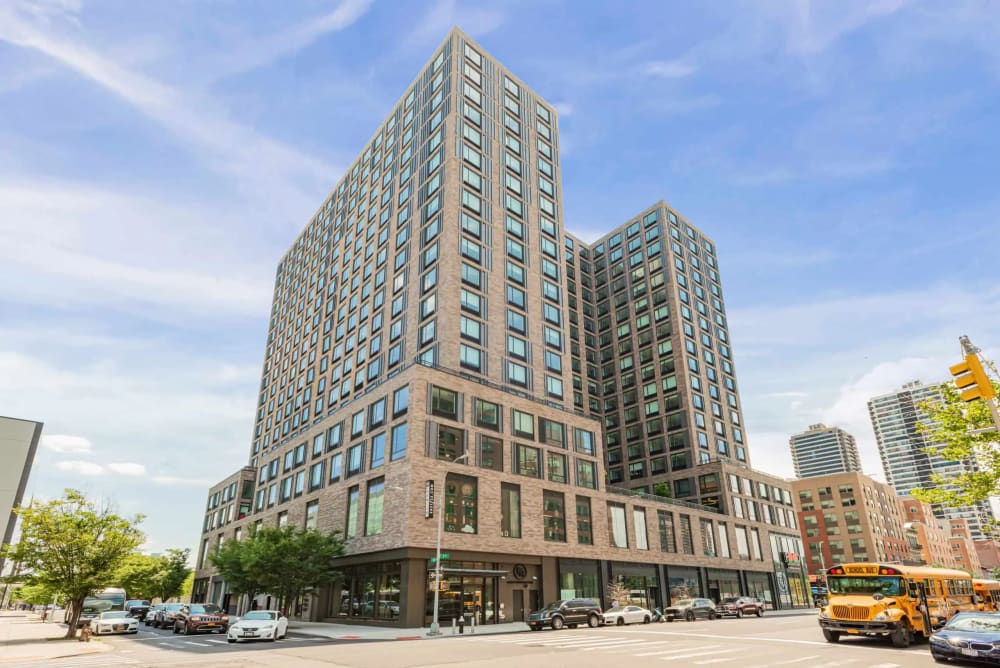
Sunset Park has long been one of Brooklyn's most culturally diverse and economically vibrant neighborhoods, but it is the transformation of Industry City — the massive 16-building, 6 million square foot complex along the waterfront — that has put it firmly on investors' radar. Industry City has been reimagined as a manufacturing, retail, dining, and creative office complex that draws thousands of visitors weekly, functioning as an economic engine for the surrounding neighborhood in much the same way that the Brooklyn Navy Yard has boosted DUMBO and the broader Brooklyn waterfront corridor.
Residential values in Sunset Park remain well below those of adjacent Park Slope and DUMBO, creating a compelling value gap for investors who believe — as the evidence increasingly suggests — that the Industry City effect will continue to draw residents and businesses. The R, D, N, and W trains provide multiple transit options, and the neighborhood's position on the Brooklyn waterfront gives it physical assets that are non-replicable. Mixed-use buildings along Fourth and Fifth Avenues are particularly worth examining as long-term holds.
6. Financial District — The Sleeper That Woke Up
For years the Financial District was dismissed as a ghost town after business hours — a place where office workers flooded in at 9am and disappeared by 6pm. The residential conversion wave that began after September 11th has matured into something more substantial: a genuine live-work-play neighborhood with a growing permanent residential base, diverse dining options, and a lifestyle offering anchored by proximity to the World Trade Center complex, the Hudson River waterfront, and one of the most historic streetscapes in America.
The Financial District is worth reconsidering for investors in 2026 for several reasons. Office-to-residential conversions — accelerated by remote work trends and New York City's Office Adaptive Reuse program — are bringing substantial new inventory to the neighborhood that will further legitimize it as a residential destination. Pricing, while no longer distressed, remains materially below comparable product in Tribeca directly to the north. The proximity premium gap between FiDi and Tribeca represents one of the most compelling asymmetric opportunities in downtown Manhattan.
Investment Framework: What to Look For
Across all of the neighborhoods above, several common signals distinguish genuine emerging markets from speculative noise. Use this framework when evaluating any potential investment in an up-and-coming NYC neighborhood:
- •Infrastructure investment: New or improved subway access, streetscape improvements, or waterfront development funded by the city or state
- •Rezoning activity: NYC land-use changes are a leading indicator — follow the NYC Department of City Planning's active rezoning map
- •Institutional development: When major developers break ground, smaller investors benefit from the halo effect on surrounding properties
- •Arts and culture: Galleries, studios, and independent restaurants reliably precede residential appreciation by 3-5 years
- •Price gap to adjacent established neighborhoods: A large price-per-square-foot gap that is narrowing is one of the strongest signals in NYC real estate
- •Rental demand and vacancy: Low vacancy with rising rents indicates demand that will eventually support sales price appreciation
Financing strategy matters as much as location when investing in emerging neighborhoods. Lenders evaluate these areas differently than established prime markets, and understanding your financing options before you make an offer is essential. My mortgage guide for luxury NYC buyers covers what investors need to know about product selection, loan structures, and lender expectations in the current rate environment. For a broader overview of the buying process, my complete buyer's guide is an essential starting point.
Timing and Patience: The Investor's Edge
New York City's emerging neighborhoods reward patience over speed. Unlike public equities where news moves prices in milliseconds, real estate appreciation in transitional neighborhoods plays out over years and sometimes decades. The investors who have built significant wealth in New York real estate — from the early Tribeca warehouse conversions to the first wave of Williamsburg brownstone purchases — share one consistent characteristic: they moved before consensus formed and held through the volatility that inevitably accompanies transformation.
This is not a passive strategy. It requires active market engagement, relationships with local brokers who see off-market inventory first, and a clear-eyed understanding of both the upside potential and the risks — environmental, regulatory, and market — that characterize transitional neighborhoods. According to the Urban Land Institute's Emerging Trends in Real Estate report, New York City consistently ranks among the top markets for long-term investment despite near-term pricing volatility. The neighborhoods above represent the next chapter in that long story.
Whether you are ready to move now or want to build a strategy for the months ahead, the most important step is getting the right guidance on the ground. Browse my current exclusive listings for a sense of what the market looks like at the premium end, or explore my full neighborhoods guide to understand how each area fits into New York City's broader investment landscape. The next great New York neighborhood is taking shape right now — the question is whether you will be early or late to it.
Back to BlogNeighborhood Guides