NYC Living
The Luxury Lifestyle
Living the NYC Luxury Lifestyle: Architecture, Amenities & Investment
Luxury living in New York City extends far beyond square footage and address prestige. Today's discerning buyers evaluate architectural design, building amenities, outdoor spaces, technology integration, and long-term investment potential as essential components of their lifestyle. These guides explore the trends and features that define the modern NYC luxury experience.
NYC Living
Architecture & Design Trends
New York City's architectural landscape is constantly evolving, with each generation of luxury development pushing the boundaries of design, materials, and engineering. From the supertall towers redefining the skyline to the meticulous restoration of prewar landmarks, architectural style directly impacts property value and livability. Current trends emphasize floor-to-ceiling glass, open floor plans, natural materials, and seamless indoor-outdoor transitions. Understanding these design movements helps buyers identify properties that will age well both aesthetically and financially. My guide examines the architectural trends shaping Manhattan and Brooklyn's most sought-after addresses.
NYC Living
Building Amenities & Smart Home Technology
The amenity arms race in NYC luxury buildings shows no signs of slowing down. Full-service concierge, private dining rooms, wellness centers with lap pools, children's playrooms, and pet spas have become baseline expectations rather than differentiators. The latest developments are integrating coworking spaces, private screening rooms, golf simulators, and climate-controlled wine storage. Simultaneously, smart home technology is transforming how residents interact with their spaces, from automated lighting and climate control to integrated security systems and voice-activated building services. My guides detail what to look for and what truly adds value versus what is simply marketing.
NYC Living
Waterfront Living & Outdoor Spaces
Access to outdoor space has become one of the most valuable features in NYC luxury real estate. Rooftop terraces, private balconies, landscaped courtyards, and waterfront promenades offer a counterbalance to the density of urban living. Waterfront properties along the Hudson River, East River, and Brooklyn waterfront command premium pricing driven by views, light, and the lifestyle that comes with direct water access. These properties also carry distinct investment characteristics, including strong appreciation in neighborhoods where waterfront development is still maturing. My guides explore where to find the best outdoor living and waterfront opportunities in the city.
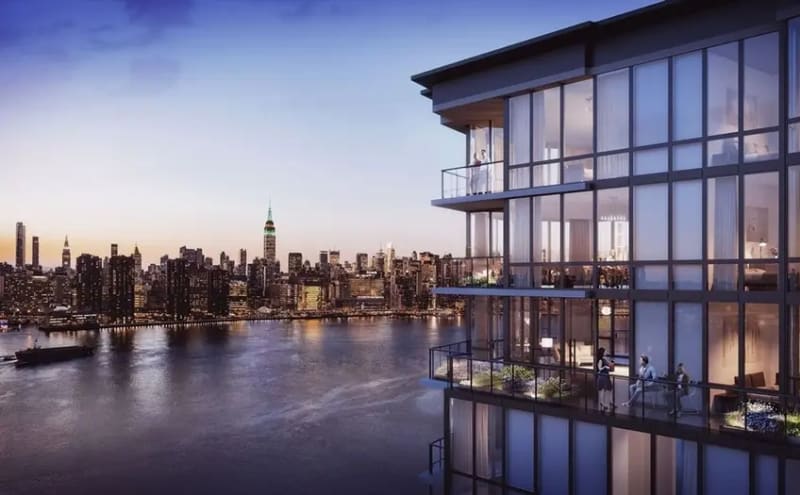
September 22, 2025 | Curtis Bain
The Investment Potential of Waterfront Properties
VIEW ARTICLE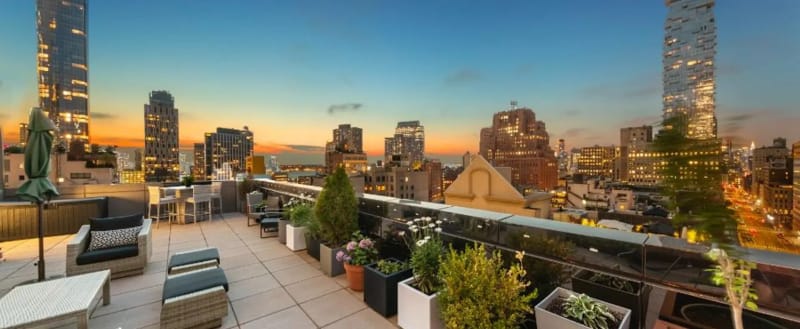
September 15, 2025 | Curtis Bain
Rooftop Terraces and Outdoor Spaces: NYC's Most Coveted Feature
VIEW ARTICLE
July 14, 2026 | Curtis Bain
The Best NYC Parks for Summer
VIEW ARTICLE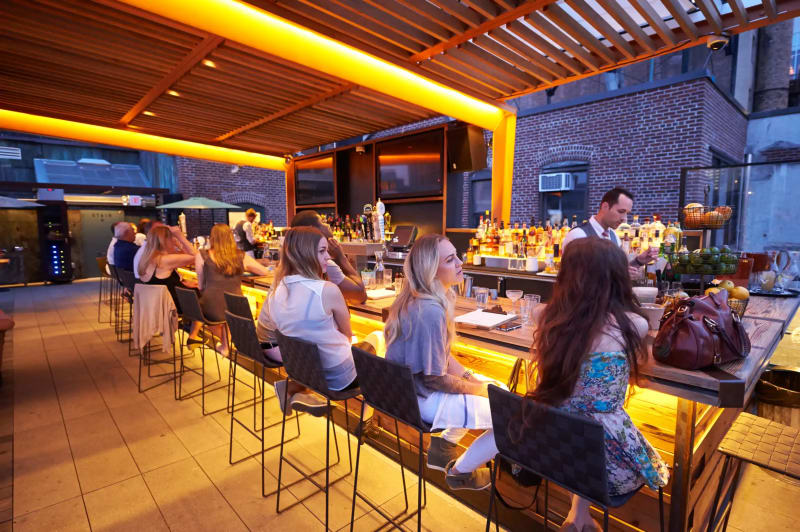
August 7, 2026 | Curtis Bain
The Best Rooftop Bars in NYC This Summer
VIEW ARTICLECommon Questions
Frequently Asked Questions
What building amenities add the most value in NYC luxury real estate?
Amenities that consistently add value include doorman and concierge service, fitness centers, private storage, and outdoor space. In newer developments, residents parking, wellness facilities with pools, and children's amenities are highly sought after. The key is whether amenities reduce daily friction and enhance quality of life rather than serving as rarely used novelties.
Is smart home technology a good investment for NYC properties?
Smart home technology is increasingly expected in luxury properties and can enhance both livability and resale appeal. Integrated lighting, climate control, security systems, and motorized window treatments are the most valued features. The technology should be intuitive and professionally installed, as poorly implemented systems can detract from a property's appeal.
What are the advantages of waterfront living in NYC?
Waterfront properties offer premium views, abundant natural light, direct access to parks and promenades, and a sense of openness that is rare in dense urban environments. They also tend to appreciate well in neighborhoods with ongoing waterfront development. Considerations include flood zone designations, insurance costs, and exposure to weather.
What architectural styles are most popular in NYC luxury homes?
Both prewar and contemporary styles command strong demand, but for different reasons. Prewar properties are prized for their craftsmanship, ceiling heights, and historic character. Contemporary new developments attract buyers seeking modern floor plans, floor-to-ceiling windows, and the latest building systems. The most successful projects often blend elements of both traditions.
Lifestyle
All Articles
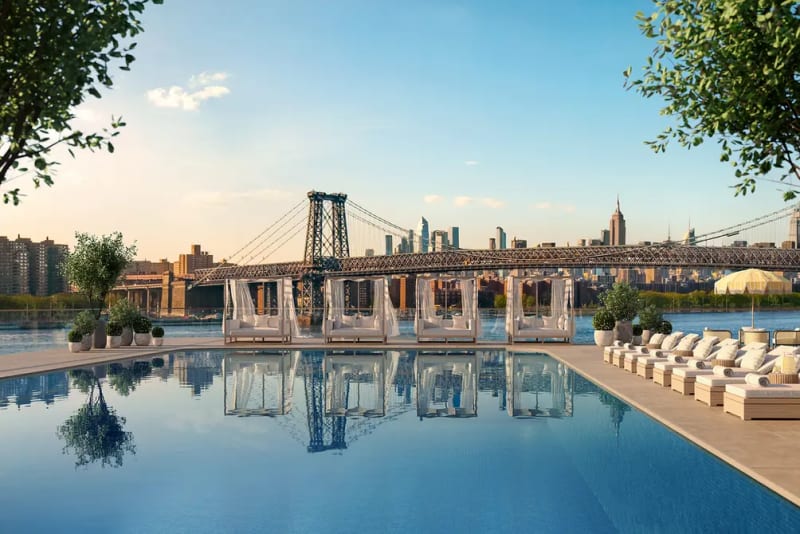
March 5, 2026 | Curtis Bain
Inside NYC's Most Exclusive Building Amenities
VIEW ARTICLE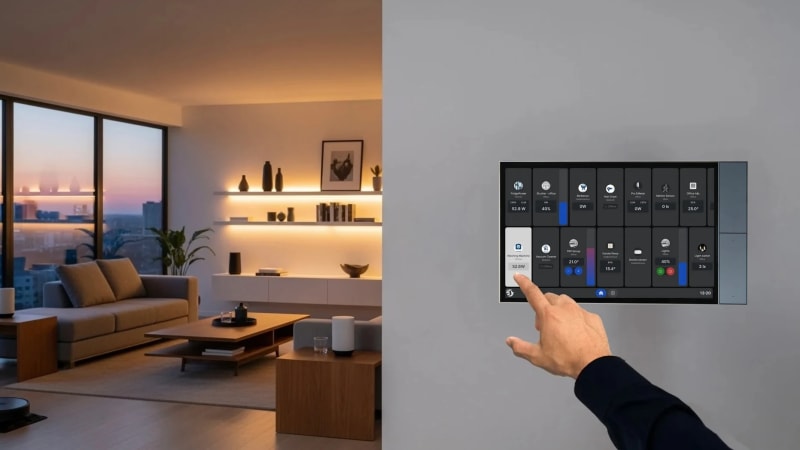
December 2, 2025 | Curtis Bain
Smart Home Technology in NYC Luxury Living
VIEW ARTICLE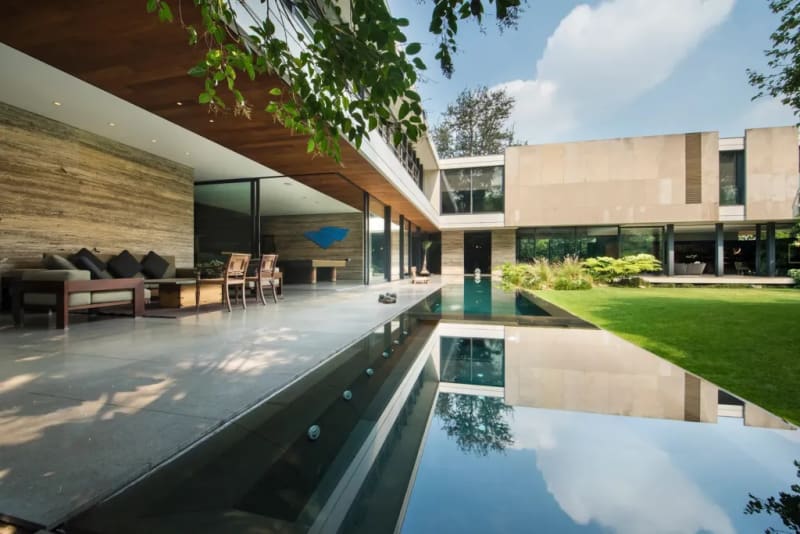
November 5, 2025 | Curtis Bain
Architectural Trends Shaping the Next Generation of Luxury Homes
VIEW ARTICLESeptember 22, 2025 | Curtis Bain
The Investment Potential of Waterfront Properties
VIEW ARTICLESeptember 15, 2025 | Curtis Bain
Rooftop Terraces and Outdoor Spaces: NYC's Most Coveted Feature
VIEW ARTICLEJuly 14, 2026 | Curtis Bain
The Best NYC Parks for Summer
VIEW ARTICLEAugust 7, 2026 | Curtis Bain