Lifestyle
September 22, 2025
The Investment Potential of Waterfront Properties
Waterfront real estate represents one of the most compelling investment categories in New York's luxury market, combining scarcity, lifestyle appeal, and long-term appreciation potential. As Manhattan remains constrained by geography and Brooklyn's waterfront continues transformation, understanding the investment dynamics of water-adjacent properties has become essential for sophisticated real estate portfolios.
The Scarcity Premium
Unlike virtually any other property attribute, waterfront location cannot be created or replicated. This fundamental scarcity establishes a baseline premium that compounds over time as development consumes available sites and regulation restricts new waterfront construction.
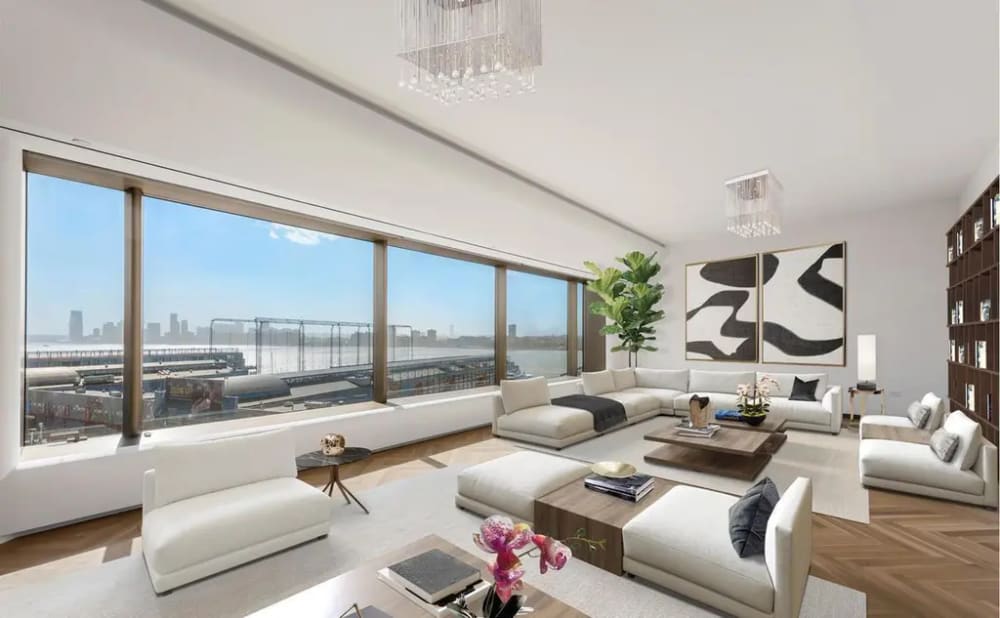
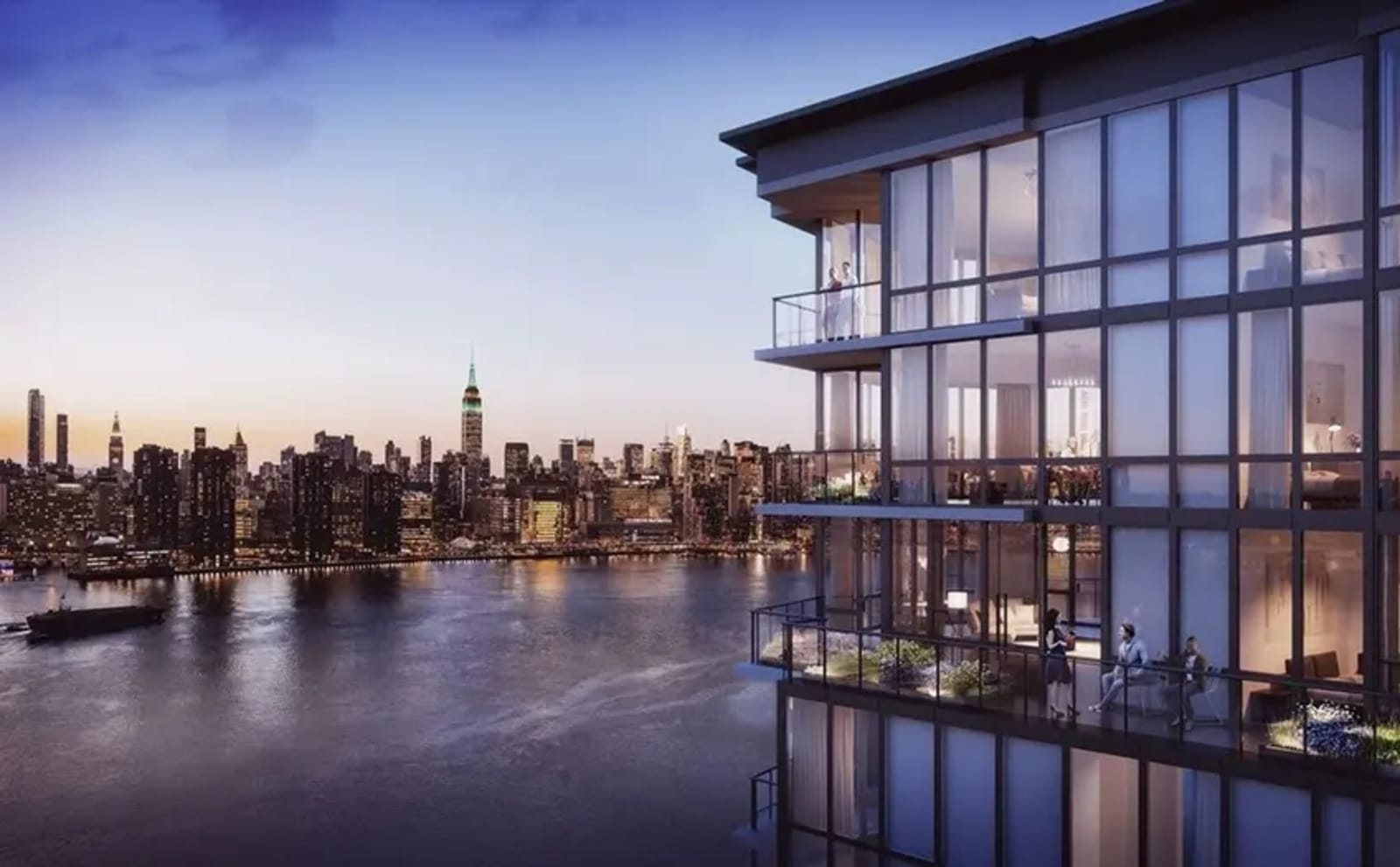
In Manhattan, properties offering Hudson River or East River views command measurable premiums - typically 15-40% depending on specific location, floor height, and view quality. This premium has remained relatively stable across market cycles, demonstrating that waterfront attributes maintain value even during broader market corrections.
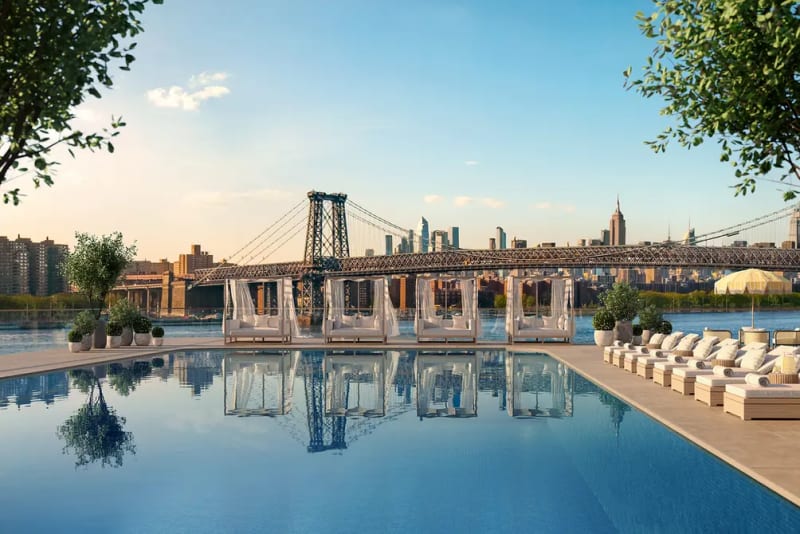
The Brooklyn waterfront presents particular investment opportunity as neighborhoods like Williamsburg, Greenpoint, and Red Hook continue evolution from industrial to residential use. Properties purchased during early conversion phases, particularly in Williamsburg, have delivered exceptional returns as neighborhoods matured and amenities developed.
Regulatory Protections
New York's waterfront faces extensive regulatory protection limiting future development and ensuring existing properties maintain unobstructed access and views. The Comprehensive Waterfront Plan guides development along the city's 520 miles of shoreline, balancing economic opportunity with environmental protection and public access.
These regulations - while sometimes frustrating for developers - create investment protection for existing waterfront property owners. Zoning restrictions, height limitations, and required setbacks prevent construction that would obstruct views or diminish water access for previously developed sites.
This regulatory framework functions as moat protecting waterfront property values. Unlike interior locations where upzoning might enable larger adjacent development diminishing existing property appeal, waterfront locations enjoy structural protection from value-destructive competition.
Rental Income Premiums
Waterfront properties consistently command rental premiums ranging from 20-50% above comparable non-waterfront units in the same neighborhood. This premium reflects both the lifestyle appeal of water views and the objective scarcity of such inventory.
For investors evaluating waterfront acquisitions, this rental premium contributes meaningfully to return calculations. A property generating $8,000 monthly rather than $6,000 for an otherwise comparable interior unit produces $24,000 additional annual income - significantly improving yield metrics.
The rental premium proves particularly stable across market cycles. During periods when overall rental rates soften, waterfront properties maintain smaller discounts from peak pricing than interior inventory, demonstrating resilient demand.
Climate Considerations and Flood Risk

Any discussion of waterfront investment must address climate change and flood risk candidly. Sea level rise and increased storm intensity pose genuine long-term challenges to certain waterfront locations.
Sophisticated investors evaluate properties using FEMA flood zone maps and NYC's Hurricane Evacuation Zone designations. Properties in high-risk flood zones require additional flood insurance - costs that can reach thousands annually and must be factored into return calculations.
However, flood risk varies dramatically across waterfront locations. High-floor condominiums in new construction featuring flood-resistant design represent materially different risk profiles than ground-floor spaces in older buildings without resilient infrastructure.
The most astute waterfront investments incorporate climate resilience evaluation:
- •Elevation above base flood elevation: Properties positioned well above projected flood levels
- •Building resilience features: Flood-proof mechanical systems, elevated lobbies, waterproof materials in lower floors
- •Neighborhood infrastructure: Sea walls, pump stations, and protective infrastructure
- •Insurance costs: Realistic assessment of long-term flood insurance expense
Properties demonstrating strong climate resilience will command increasing premiums as buyers become more sophisticated about evaluating long-term risk.
The Development Pipeline
New York's waterfront development pipeline provides insight into supply dynamics affecting investment calculations. Major projects like Brooklyn's waterfront redevelopments will add inventory but also enhance neighborhood appeal through improved amenities and infrastructure.
Understanding this pipeline helps investors identify locations where waterfront values may appreciate as areas transform. The Financial District's emergence as residential destination exemplifies this dynamic - early buyers in converted waterfront properties benefited from subsequent neighborhood evolution.
Comparative Waterfront Markets
Not all waterfront carries equal investment merit. Manhattan's West Side corridor along the Hudson commands the highest premiums, driven by sunset views, proximity to midtown, and established luxury residential character. East Side waterfront along the East River historically traded at discounts but has narrowed the gap as developments like One United Nations Park demonstrate the location's appeal.
Brooklyn's waterfront segments into distinct investment profiles. Williamsburg's North Side offers established luxury market with proven track record. Red Hook presents emerging opportunity with industrial-to-residential conversion still underway. DUMBO and Brooklyn Heights represent mature markets with limited new development opportunity but stable values.
Long Island City waterfront provides interesting investment case study. Proximity to Manhattan, relatively recent residential development, and continued construction activity create dynamic market where values can fluctuate based on supply absorption rates.
Waterfront Amenity Value
Beyond the water views themselves, waterfront properties often provide access to amenities impossible to replicate inland. Waterfront parks, esplanades, ferry service, and maritime activities create lifestyle benefits that enhance property value.
The Hudson River Park exemplifies this dynamic. Properties adjacent to this five-mile greenway benefit from immediate access to recreation, dining, and public space that makes waterfront living more appealing and thus more valuable.
Similarly, ferry service connecting waterfront neighborhoods to Manhattan employment centers adds functional value beyond aesthetic appeal. Properties within walking distance of ferry terminals command premiums reflecting the transportation convenience.
Investment Horizon Considerations
Waterfront real estate investment performance varies significantly based on holding period. Short-term flips face transaction cost hurdles - transfer taxes, broker fees, mansion tax - that can consume 8-10% of value. These friction costs make waterfront investments most appropriate for medium to long-term holds.
However, for investors with 7-10 year horizons, waterfront properties have historically delivered superior risk-adjusted returns compared to interior inventory. The scarcity premium compounds over time, rental income provides steady cash flow, and the lifestyle appeal creates resilient demand during softer market periods.
Portfolio Diversification Benefits
For investors building real estate portfolios, waterfront properties provide diversification benefits through differentiated demand drivers. While interior luxury condos might face competition from new development or shifting neighborhood preferences, waterfront scarcity creates structural demand support.
This diversification proves particularly valuable during market transitions. When overall transaction volume declines, waterfront properties often maintain activity levels as serious buyers continue pursuing scarce inventory regardless of broader market sentiment.
Tax Efficiency Strategies
Waterfront property investments can be structured for tax efficiency through various mechanisms. Cost segregation studies often yield favorable results for waterfront properties due to expensive site work, specialized construction for flood resilience, and high-end amenities.
For investors holding multiple properties, waterfront assets can serve as 1031 exchange targets, deferring capital gains while upgrading to higher-quality assets. The waterfront category's scarcity ensures strong demand from exchange buyers seeking replacement properties.
Operational Considerations
Waterfront properties often incur higher operational costs than interior comparables. Saltwater exposure accelerates corrosion of metal components, requiring more frequent maintenance. Specialized insurance costs more. Building systems may require marine-grade specifications adding to replacement costs.
Investors must factor these operational realities into return projections. A property generating higher rental income but requiring 30% more maintenance expenditure delivers different net returns than superficial analysis suggests.
Market Timing and Cycles
Waterfront markets exhibit cyclical patterns influenced by broader economic conditions but demonstrate superior resilience during downturns. The 2008 financial crisis provides instructive case study. While overall Manhattan real estate declined 20-30%, prime waterfront properties fell only 10-15% and recovered faster.
This resilience reflects the combination of scarcity, lifestyle appeal, and financial strength of typical waterfront buyers. The demographic pursuing waterfront luxury often possesses wealth less correlated with economic cycles than buyers in mid-market segments.
International Buyer Appeal
Waterfront properties attract disproportionate international buyer interest. For foreign investors unfamiliar with specific New York neighborhoods, waterfront location provides universally understood value proposition. Water views translate across cultures in ways that neighborhood character or school district quality may not.
This international demand creates additional price support and liquidity. Even during periods when domestic buyers pull back, international capital often continues flowing to scarce waterfront inventory, particularly at the luxury end.
Value-Add Opportunities
Certain waterfront investments offer value-add potential through renovation or repositioning. Older buildings with waterfront locations but dated interiors present opportunities to capture the locational premium through strategic improvement and staging.
The calculation requires understanding how much renovation investment can be supported by the resulting value increase. Waterfront scarcity often justifies more extensive improvement budgets than interior comparables because the locational attribute cannot be replicated regardless of interior finishes.
Exit Strategy and Liquidity
Waterfront properties generally maintain superior liquidity compared to highly specialized or unusual interior properties. The universal appeal of water views creates broader buyer pools when time comes to sell.
This liquidity advantage matters particularly for investors who may need to exit positions during market disruptions. While all real estate faces transaction time, waterfront inventory typically finds buyers faster than comparable interior listings, reducing holding costs during sales processes.
Calculating the Waterfront Premium
The investment case for waterfront real estate requires balancing structural advantages - scarcity, regulatory protection, lifestyle appeal - against operational realities including climate risk, higher maintenance, and insurance costs.
For investors with appropriate time horizons, financial resources to weather volatility, and expertise evaluating location-specific risk factors, waterfront properties in New York offer compelling return potential. The key lies in disciplined underwriting that accounts for all costs while capitalizing on the fundamental scarcity driving long-term value appreciation.
As New York's population continues growing and waterfront regulatory protection intensifies, the scarcity premium supporting these properties should strengthen rather than weaken over coming decades. This makes waterfront real estate not merely lifestyle purchase but strategic portfolio allocation for sophisticated investors, as demonstrated by recent sold properties across Manhattan's waterfront corridors.
Back to BlogLifestyle