Seller Guides
January 25, 2026
The Art of Staging Luxury Properties for Maximum Impact
Staging a luxury property in New York City transcends basic decluttering and furniture arrangement. In 2026's competitive market, where buyers above $4 million face intense competition and properties command premium pricing, strategic staging has evolved into an essential component of successful luxury sales.
The Psychology of Luxury Staging
Today's affluent buyers aren't purchasing square footage - they're investing in a lifestyle narrative. Professional staging creates what industry experts call "emotional architecture," allowing prospective buyers to envision their lives unfolding within the space. This psychological connection often proves decisive in Manhattan's competitive luxury market where multiple qualified buyers compete for limited trophy inventory.

Unlike conventional staging that focuses on broad appeal, luxury staging targets a specific buyer profile. In Manhattan, this typically means sophisticates who value understated luxury over conspicuous display, cultural capital over trend-chasing, and timeless design over seasonal fashion.
Design Trends Shaping 2026 Luxury Staging
The staging landscape has shifted dramatically from the minimalist aesthetic that dominated the past decade. The current approach embraces what designers call "midimalism" - a balance between minimalist restraint and maximalist expression that allows for personality without excess.
Natural Materials and Textural Depth
Raw, tactile materials have become essential in luxury staging. Think reclaimed European oak flooring, natural linen upholstery, hand-plastered walls, and statement stone surfaces. These elements create sensory richness that photographs cannot fully capture, rewarding in-person viewing and creating memorable impressions.
Neuroaesthetic research demonstrates that natural textures create comfort and emotional connection - critical factors when buyers evaluate properties at premium price points. Layer area rugs, throws, and accent pieces strategically to highlight these natural elements without creating visual clutter.
Sculptural Furniture and Organic Forms
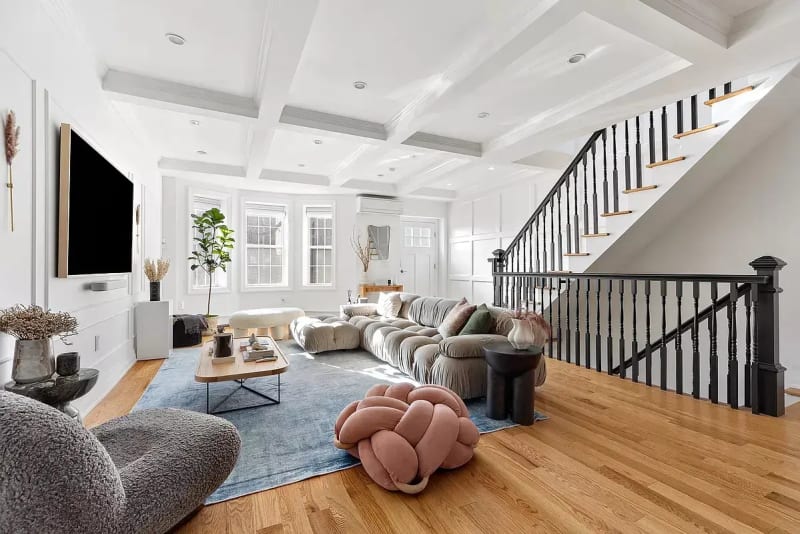
The era of rigid, rectilinear furniture has given way to curves and flowing silhouettes. Rounded kitchen islands signal approachability. Curved ottomans and sculptural seating create visual interest while maintaining sophistication. Arched doorways, now trending in new construction, add architectural grace.

This shift toward organic forms reflects broader cultural movements away from the harsh minimalism of recent years. Buyers respond positively to spaces that feel designed for human comfort rather than Instagram aesthetics.
Color Confidence Returns
After years dominated by cool grays, color is returning to luxury interiors - but with intention. Deep, grounding tones like forest green, rich terracotta, and warm earth colors are replacing builder beige. Strategic color deployment matters more than palette breadth.
Room-by-Room Strategic Staging
Living Spaces: Creating Conversation
The primary living area establishes the property's lifestyle narrative. In luxury apartments, this means showcasing how the space accommodates both intimate gatherings and larger entertaining. Group seating to create multiple conversation zones. If the room features a fireplace, make it the focal point with thoughtful furniture placement.
Scale matters tremendously in Manhattan's grand rooms, from Upper East Side prewar classics to Tribeca lofts. Furniture that works in a suburban home often appears diminished in spaces with 11-foot ceilings and expansive floor plates. Invest in appropriately scaled pieces that command the space without overwhelming it.
Kitchens: The Modern Hearth
Kitchens have evolved beyond functional cooking spaces into social hubs where families gather and guests congregate. Stage the kitchen island with high-end accessories - a bowl of seasonal fruit, a cutting board with artisan bread, wine displayed thoughtfully.
Ensure all surfaces gleam. In luxury staging, immaculate presentation is non-negotiable. Buyers at this price point notice fingerprints on stainless steel, dust on light fixtures, and clutter on countertops.
Master Suites: Private Sanctuary
The primary bedroom should feel like a five-star hotel suite - serene, uncluttered, and indulgent. Invest in luxury bedding with high thread counts, layer textures through throws and accent pillows, and create symmetry through matching nightstands and lamps.
Master bathrooms merit special attention. Fresh white towels, high-end bath products displayed on trays, and subtle lighting create spa-like atmosphere. If the bathroom features a soaking tub with views, ensure this focal point is highlighted.
Outdoor Spaces: The Urban Oasis
Terraces and balconies represent scarce luxury in Manhattan. Stage these spaces to demonstrate year-round usability. Weather-resistant furniture in sophisticated materials - teak, powder-coated aluminum, all-weather wicker - shows buyers the space's entertaining potential.
Add greenery through sculptural planters and seasonal plants. Even a modest terrace becomes compelling when staged as an outdoor room rather than an afterthought.
The Art of Curation
Luxury staging succeeds through careful curation rather than abundance. Each piece should serve a purpose - either functional or aesthetic. This editing process distinguishes professional staging from simply filling rooms with furniture.
Contemporary luxury buyers respond to homes that feel collected rather than decorated. Mix eras thoughtfully - a mid-century modern chair alongside contemporary art and vintage accessories. This layering creates depth and suggests the space has been thoughtfully inhabited.
Books provide an easy way to add character. Stack coffee table books on design, architecture, or art. These elements signal cultural sophistication while adding visual interest and color.
Lighting: The Invisible Architect
Proper lighting transforms spaces but often receives insufficient attention in staging. Layer lighting types - ambient, task, and accent - to create depth and highlight architectural features.
In luxury properties, integrate smart lighting systems that allow scene-setting for showings. Warm light temperatures (2700-3000K) create inviting atmosphere. Use accent lighting to draw attention to art, architectural details, or focal points.
Technology Integration
Modern luxury buyers expect seamless technology integration - but visibility of that technology should be minimal. Hide wiring, conceal speakers within walls or ceilings, and ensure smart home controls operate intuitively.
During staging, demonstrate how technology enhances the living experience without dominating it. Motorized shades that reveal dramatic views, integrated sound systems for entertaining, and climate controls that anticipate occupancy patterns - these features impress when deployed subtly.
The Pre-Staging Audit
Before staging begins, conduct ruthless editing. Remove family photos, personal collections, and items that date the property or limit buyer imagination. This depersonalization allows prospective buyers to project themselves into the space.
Address deferred maintenance before staging. Fresh paint in neutral, sophisticated tones provides the perfect canvas. Repair or replace anything broken, worn, or dated. In luxury real estate, imperfection suggests neglect regardless of actual condition.
Photography-Ready vs. Living-Ready
While staging should look spectacular in photographs for online marketing, it must also function when buyers visit in person. Avoid staging that looks artificial or obviously impractical. Buyers touring luxury properties possess sophisticated design sensibility - they recognize when a space has been styled purely for cameras.
Ensure rooms maintain proper scale and flow. Leave sufficient clearance around furniture for comfortable movement. The space should feel aspirational yet livable.
Budget Allocation for Maximum ROI
Not every room requires equal investment. Focus staging dollars on high-impact areas:
- •Entry/Foyer: First impressions matter. A statement console, mirror, and lighting set the tone.
- •Living Room: This space typically receives most showing time and photograph attention.
- •Master Suite: Buyers envision their private retreat here.
- •Kitchen: Even if not completely renovated, staging can modernize appearance.
Secondary bedrooms, home offices, and utility spaces require less investment but should still feel considered and intentional.
Working with Professional Stagers
For properties above $3 million, professional staging isn't optional - it's essential as part of preparing your estate for a successful sale. Experienced luxury stagers understand the New York market specifically, possess inventory that matches the price point, and recognize what resonates with sophisticated buyers.
Interview multiple staging firms. Review their portfolio for properties similar to yours. Discuss their approach to your specific challenges - perhaps limited natural light, awkward layouts, or dated finishes that won't be renovated.
Measuring Success
Properly staged luxury properties typically generate more showing requests, longer dwell times during tours, and higher offer prices. The investment in professional staging - typically 1-3% of list price - returns multiples through faster sales and premium pricing that reflects true luxury home valuations.
In Manhattan's current market, where well-priced listings move quickly and competition remains fierce, staging represents strategic positioning rather than optional enhancement. The properties that dominate buyer attention and command full price aren't necessarily the most expensive or largest - they're the ones that tell the most compelling story through thoughtful, sophisticated staging.
Back to BlogSeller Guides