Lifestyle
November 5, 2025
Architectural Trends Shaping the Next Generation of Luxury Homes
The architecture defining luxury homes in 2026 reflects a fundamental shift in how affluent buyers conceive of residential space. Moving beyond the conspicuous monumentality that characterized previous eras, today's luxury architecture embraces sustainability, wellness, and technological integration as essential rather than optional features. These trends are reshaping New York City's luxury development landscape, from SoHo lofts to Hudson Yards towers, and setting new standards for what defines a truly exceptional home.
Biophilic Design: Nature as Infrastructure
The most significant architectural trend transforming luxury homes involves biophilic design - the integration of natural elements and systems into built environments. This extends far beyond placing potted plants in corners. Contemporary biophilic architecture treats nature as essential infrastructure rather than decorative addition.
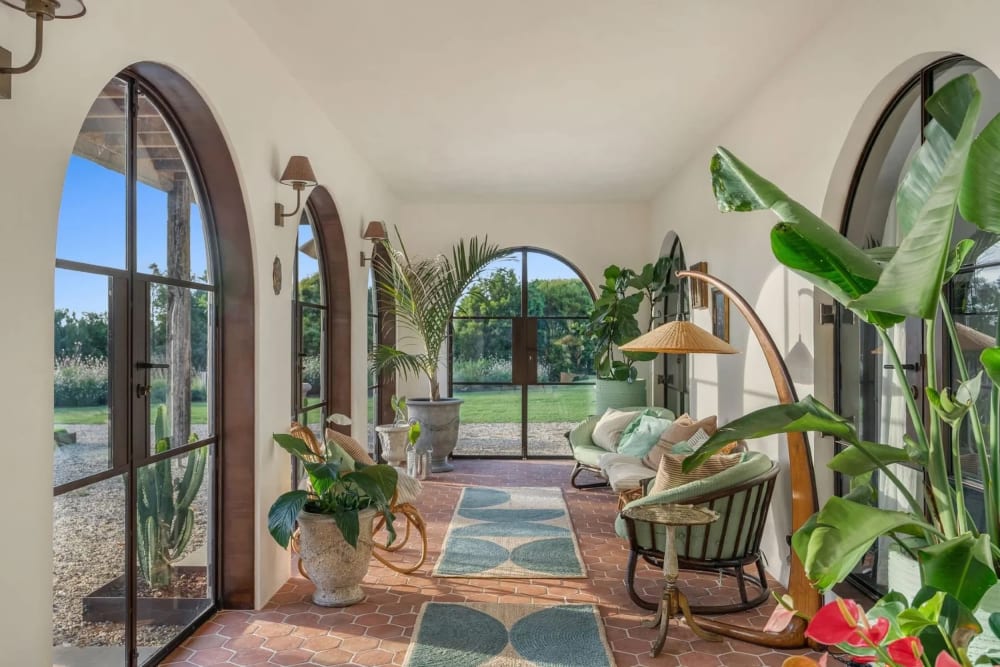
In Manhattan's newest luxury developments, this manifests through expansive glazing maximizing natural light, indoor green walls providing both aesthetic appeal and air purification, and material palettes emphasizing natural stone, wood, and metals. Research demonstrates that humans function better in spaces maintaining connection to natural systems, with measurable impacts on stress reduction and sleep quality.
The recently completed developments along Hudson Yards showcase this approach, incorporating sky gardens, water features visible from interior spaces, and carefully calibrated views connecting residents to the city's natural elements - the Hudson River, distant horizons, and changing weather patterns.
Passive House Principles at Luxury Scale
Sustainability standards continue rising, with energy passivity becoming the benchmark rather than the exception in 2026 luxury construction. Passive house principles - once associated with modest dwellings - are now being applied at ambitious scales in properties exceeding 10,000 square feet.
This approach delivers multiple benefits beyond environmental responsibility. Homes built to passive house standards feature superior indoor air quality through continuous filtered fresh air, exceptional acoustic performance from advanced envelope construction, and dramatically reduced utility costs regardless of home size.
The technical implementation involves meticulous attention to thermal bridging, triple-pane window systems, airtight construction, and heat recovery ventilation. When executed properly, these homes deliver luxury that buyers may never see but always feel - consistent temperature, superior air quality, and whisper-quiet operation.
Material Authenticity and Longevity
A pronounced shift away from engineered materials toward natural, authentic substances defines luxury architectural material selection in 2026. This reflects both sustainability consciousness and appreciation for how materials age.
Natural Stone Renaissance
Stone and timber are being used to create richly tactile residences that feel connected to land while developing character over time. Statement stone - featuring rich amber colors, dramatic texture, and pronounced veining - has replaced the minimalist marble of previous years.
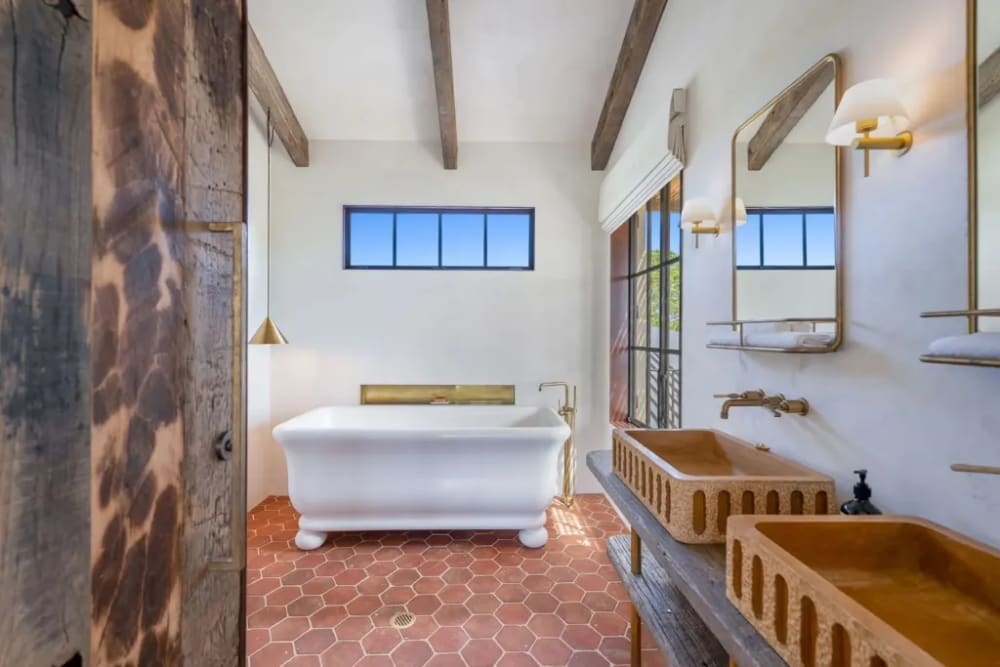
Materials like sintered stone, patinated metals including zinc and bronze, and redefined quartz appear throughout luxury homes. These substances share common attributes: durability, unique character, and graceful aging. Unlike engineered products appearing perfect on installation day but deteriorating into something visibly artificial within years, natural materials develop patina that enhances rather than diminishes appeal.
Reclaimed and Adaptive Reuse
Adaptive reuse - converting older buildings for new purposes - has emerged as both sustainable practice and architectural statement. This approach preserves embodied carbon by reusing existing structures while adding cultural and emotional value.
In Manhattan, this trend manifests in historic conversions like The Diamond Condo in the Financial District, where a nineteenth-century gem has been transformed into exclusive residences. These projects maintain architectural heritage while integrating modern systems and amenities.
Climate-Responsive Architecture
Rather than relying on universal templates, architects are designing buildings based on specific climate data - solar orientation, prevailing winds, seasonal temperature variations, and precipitation patterns.
This climate-responsive approach reduces energy dependency through passive strategies. South-facing facades maximize winter solar gain while carefully designed overhangs prevent summer overheating. Natural ventilation systems reduce cooling loads. Green roofs and walls provide thermal performance rather than purely aesthetic appeal.
In coastal or flood-prone areas, climate resilience becomes critical. Properties incorporate elevated first floors, flood-resistant materials in lower levels, and mechanical systems positioned above potential flood lines. These adaptations respond to the reality that extreme weather events will intensify rather than moderate.
Invisible Technology Integration
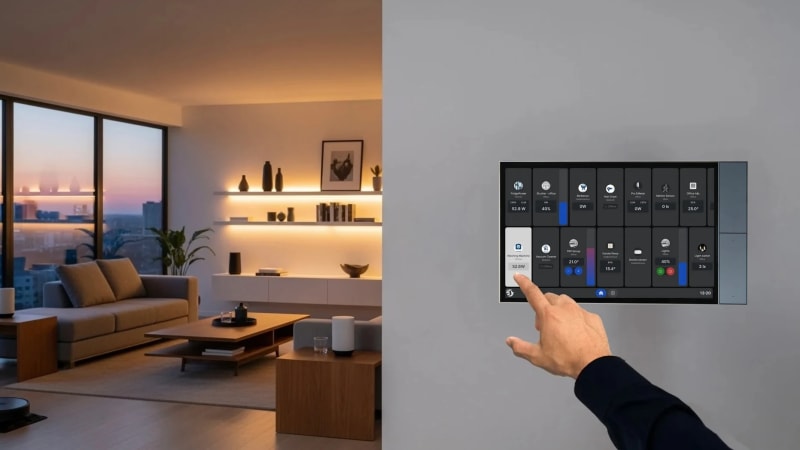
The most sophisticated smart home systems in 2026 are ones buyers cannot see. Motorized shade pockets integrate into ceiling reveals during framing. Whole-home audio lives inside walls rather than on shelves. Climate systems respond to occupancy patterns without visible thermostats.
This represents evolution from early smart home implementations where technology competed with architecture for attention. The current approach prioritizes seamlessness - technology serves the architecture rather than dominating it.
Integration extends to lighting, security, entertainment, and environmental controls. The best systems anticipate needs without requiring interaction. Lights gradually brighten in morning based on typical wake times. Temperature adjusts before occupants arrive home. Shades lower automatically when afternoon sun creates glare.
Flexible, Adaptable Spaces
Luxury homes in 2026 feature layouts that evolve with changing lifestyles. Rather than locked room configurations, contemporary luxury architecture embraces adaptability through movable partitions, multi-functional rooms, and infrastructure supporting various uses.
This flexibility proves particularly valuable in multigenerational living scenarios, which are increasingly common among luxury buyers. A guest suite might convert to caregiver quarters. A media room transforms into home office. Secondary bedrooms adapt as children age.
The infrastructure supporting this adaptability - robust electrical capacity, flexible HVAC zones, pre-wired technology rough-ins - gets specified during design rather than added later through disruptive renovation.
Wellness-Integrated Architecture
Wellness-focused design has evolved from isolated amenity rooms to holistic approaches integrated throughout the home. Rather than dedicating square footage to seldom-used gym space, contemporary luxury architecture incorporates wellness through natural light, calming materials, superior air quality, and circulation patterns encouraging movement.
Spa-inspired bathrooms feature chromotherapy lighting, steam showers, and heated flooring. Primary suites incorporate quiet retreat spaces separated from sleeping areas. Meditation rooms or yoga spaces receive eastern light for morning practice.
Water quality receives particular attention, with whole-home filtration and purification systems becoming standard in luxury construction. Air filtration extends beyond HVAC integration to include standalone systems maintaining optimal indoor air quality.
Outdoor Living as Architecture
In Manhattan's constrained geography, outdoor space commands premium valuation. Contemporary luxury architecture treats terraces, balconies, and roof decks as outdoor rooms requiring the same architectural consideration as interior spaces.
This means weather-resistant infrastructure including electrical outlets, gas connections for grills or fire features, and plumbing for wet bars or outdoor kitchens. Automated irrigation systems maintain plantings. Heating elements extend seasonal usability. Proper drainage and waterproofing prevent the deterioration plaguing earlier terrace constructions.
The result transforms outdoor spaces from occasional-use appendages into integral living areas occupied nine months annually rather than three.
Statement Ceilings and Vertical Design
While walls have traditionally received design attention, ceilings have emerged as "the fifth wall" - opportunities for architectural expression. Contemporary luxury homes feature coffered ceilings, exposed beam structures, integrated lighting coves, and material treatments creating visual interest overhead.
This vertical emphasis extends to dramatic ceiling heights. The standard 9-foot ceiling feels increasingly dated in luxury construction. Properties targeting the high end incorporate 11-14 foot ceilings in primary living spaces, creating volume and grandeur while improving natural light penetration.
Acoustic Architecture
Superior acoustic performance - once limited to dedicated media rooms - now extends throughout luxury homes. This involves strategic wall construction, sound-dampening materials, and careful attention to mechanical system noise.
The pandemic elevated acoustic considerations as remote work and video conferencing made intrusive HVAC noise or poor sound isolation between rooms professionally problematic. Luxury homes address this through upgraded insulation, sound-rated doors, and mechanical systems designed for quiet operation.
Material Transparency and Provenance
Sophisticated buyers increasingly demand transparency about material sourcing and production. This trend toward material provenance reflects values around sustainability, craftsmanship, and authenticity.
Architects respond by specifying materials with clear supply chains - FSC-certified woods, domestically quarried stone, recycled metal content, and low-VOC finishes. The documentation accompanying luxury homes increasingly includes material stories explaining sourcing decisions and environmental attributes.
Modular and Prefabricated Elements
High-end construction increasingly incorporates prefabricated components manufactured off-site and installed efficiently. This approach - reducing construction waste by up to 30% - delivers superior quality through factory-controlled production while accelerating project timelines.
Modular elements include bathroom pods, kitchen units, and complete mechanical systems assembled off-site and craned into position. The result combines craft quality with construction efficiency impossible to achieve through traditional site-built methods.
Net-Zero and Energy Independence
The aspiration toward net-zero buildings that produce as much energy as they consume increasingly influences luxury architecture. While challenging in Manhattan's high-density urban environment, new developments incorporate renewable energy where possible - rooftop solar arrays, geothermal systems, and battery storage.
Even when complete energy independence proves impossible due to site constraints, architects design for maximum efficiency, ensuring homes consume minimal energy while maintaining luxury comfort standards.
Architecture as Performance
The architectural trends shaping luxury homes in 2026 reflect a fundamental reconception of what architecture should accomplish. Beyond creating beautiful spaces, contemporary luxury architecture must perform - delivering superior environmental quality, operational efficiency, flexibility, and resilience while honoring craft traditions and material authenticity.
For buyers investing in New York's luxury real estate market, these architectural evolutions represent not merely aesthetic preferences but fundamental improvements in how homes function and age. Properties incorporating these principles will command premiums today while maintaining relevance and value for decades to come.
Back to Blog