Lifestyle
December 2, 2025
Smart Home Technology in NYC Luxury Living
Smart home technology has moved beyond novelty to become an expected feature in luxury residences on the Upper East Side and beyond. Today's discerning buyers, particularly those in neighborhoods like Tribeca and Hudson Yards, want seamless integration of lighting, climate, security, entertainment, and communication systems, all controllable from a single interface. In a city like New York, where space is at a premium and convenience is paramount, well-implemented home technology enhances daily life in ways that are both practical and luxurious.
Lighting and Climate Control
Automated lighting is perhaps the most impactful smart home, as featured in Architectural Digest feature for everyday living. Systems from brands like Lutron, Ketra, and Savant allow homeowners to create customized scenes for different activities and times of day: bright, energizing light for morning routines; warm, ambient tones for evening entertaining; and blackout control for bedrooms. These systems integrate with motorized window treatments, allowing natural light and artificial light to work in concert. Climate control has similarly evolved, with zoned HVAC systems that maintain precise temperatures in each room, adjustable from anywhere via smartphone.
Security and Access

Security technology in luxury homes, according to the National Association of Realtors has become remarkably sophisticated. Modern systems include biometric entry (fingerprint or facial recognition), video doorbells with two-way communication, interior and exterior camera systems accessible from any device, and smart locks that allow temporary access codes for housekeepers, dog walkers, or delivery personnel. Integration with the building's security infrastructure, including lobby cameras and doorman communication, creates a comprehensive safety ecosystem that provides peace of mind without feeling intrusive.
Essential Smart Home Features
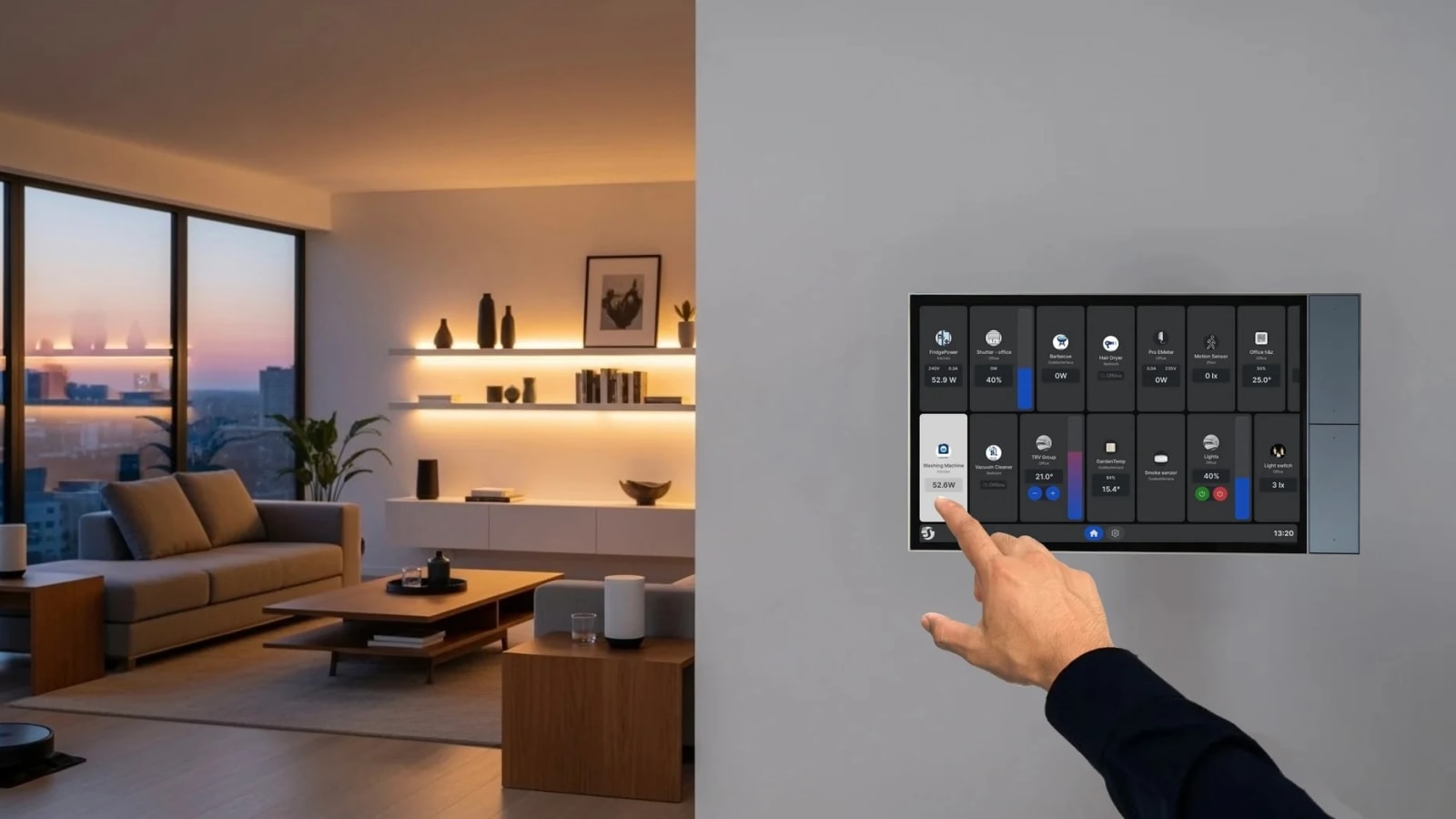
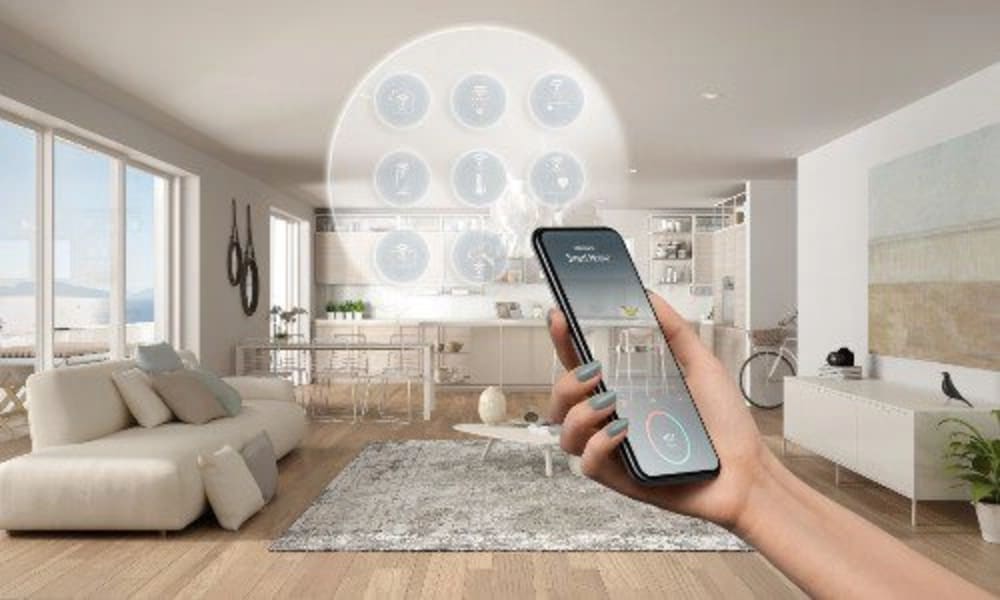
- •Centralized control: a single app or interface (Crestron, Savant, or Control4) that manages all systems
- •Voice control: integration with voice assistants for hands-free operation of lights, music, and climate
- •Automated window treatments: motorized shades that adjust based on time of day, sunlight, or schedule
- •Whole-home audio: distributed speaker systems with room-by-room or whole-home playback capability
- •Network infrastructure: enterprise-grade Wi-Fi with full coverage and no dead zones, essential in older prewar buildings with thick walls
- •Leak detection: smart water sensors that alert you to leaks before they cause damage, a particularly valuable feature in older buildings
- •Energy monitoring: real-time tracking of energy consumption to optimize efficiency and reduce costs
Entertainment and Media
Home entertainment has been transformed by smart technology. Dedicated media rooms, often part of the exclusive building amenities in top developments, now feature 4K or 8K projection systems, Dolby Atmos surround sound, acoustic treatment panels, and automated blackout shading, all activated with a single button press. Even in open living spaces, hidden TVs that retract into furniture or display artwork when not in use maintain the aesthetic integrity of the design. Distributed audio systems from Sonos, Bowers and Wilkins, or custom-installed ceiling speakers allow music to follow you from room to room seamlessly.
Integration Challenges in NYC
Installing smart home, as featured in Architectural Digest systems in NYC apartments presents unique challenges. Prewar buildings with plaster walls and limited ceiling access require creative solutions for wiring and speaker placement. Co-op and condo alteration agreements may restrict the scope of work, and building infrastructure, such as elevator systems, intercom integration, and electrical capacity, must be accommodated. Working with a technology integrator who has experience with NYC residential projects is essential. The best integrators collaborate with architects and interior designers from the beginning of a renovation, ensuring that technology is built into the design rather than added as an afterthought.
Return on Investment
Smart home technology has a meaningful impact on property value, particularly in the luxury segment where buyers expect modern conveniences. A comprehensive, well-designed smart home, as featured in Architectural Digest system can add 3% to 5% to a property's resale value, and it significantly reduces days on market by appealing to the technology-forward buyer demographic. More importantly, the daily quality-of-life improvement, from waking up to gradually brightening lights and warming floors to coming home to a perfectly cooled apartment with your favorite music playing, is the kind of luxury that residents value most.
Back to BlogLifestyle