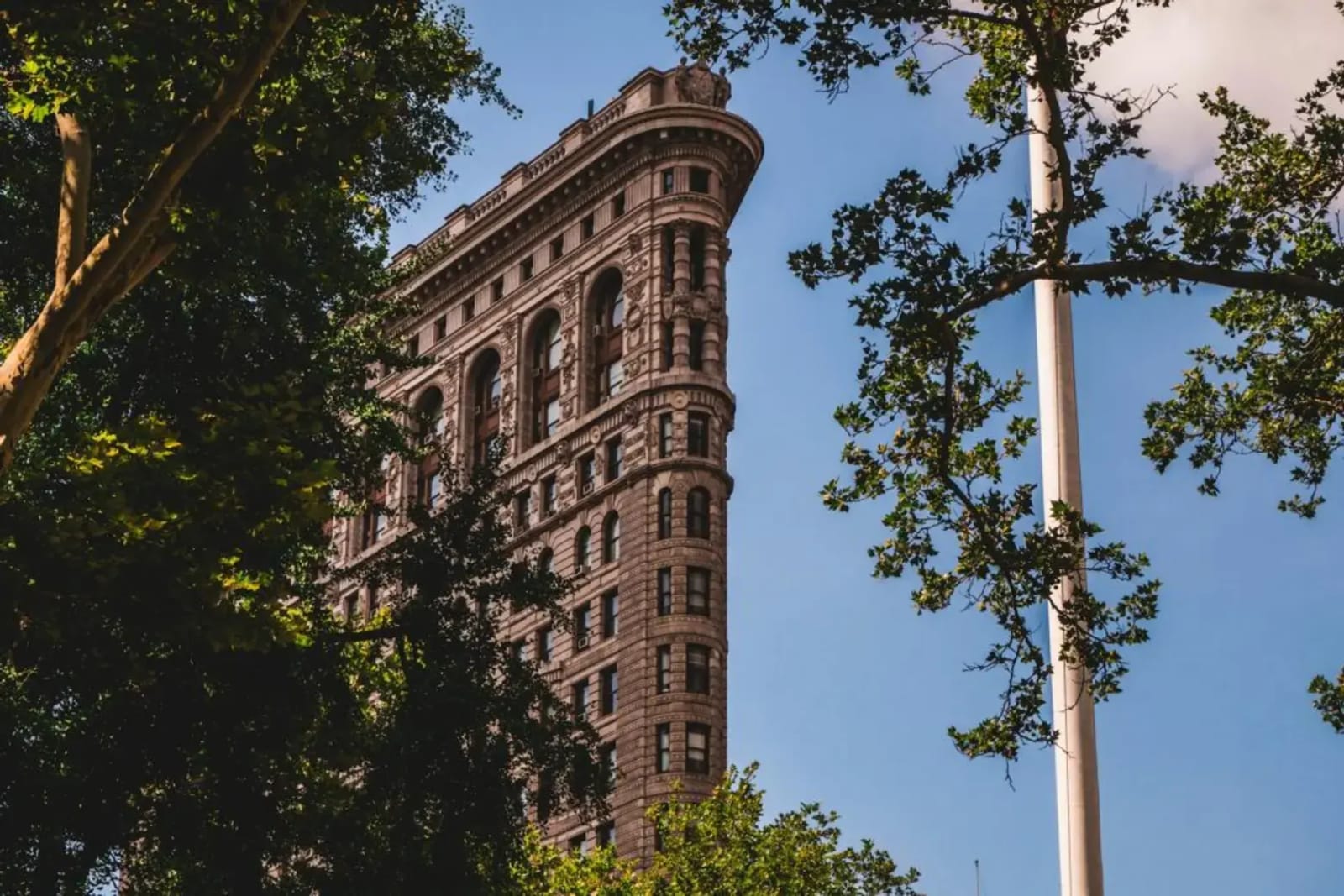
Buyer Guides
September 3, 2026
How Much Does It Cost to Buy an Apartment in Flatiron?
Buyers who start looking in Flatiron usually have a number in mind already, and it rarely survives first contact with the market. List prices in the neighborhood run from around $440,000 for a small studio conversion up to $30 million for the largest cast-iron penthouses, with an average list price near $3.65 million and an average sold price closer to $2.47 million. Price per square foot averages about $2,173 across the roughly 230 homes typically for sale in the neighborhood at any given time.
None of those figures is the number you actually write a check for at closing.
The purchase price is the headline. Taxes, financing costs, and building requirements decide what you actually need on hand.
What Flatiron Apartments Cost by Size
A studio or small one-bedroom loft conversion in Flatiron generally lists between $700,000 and $1.4 million, with the range driven mostly by floor, natural light, and how much of the original cast-iron detail survived a prior renovation. Two-bedroom units make up a large share of active inventory and typically run from $1.8 million to $4 million, with the top of that band reserved for full-floor lofts on Fifth Avenue or Broadway. Three-bedroom and larger residences, including duplexes and full-floor penthouses, start near $5 million and climb well past $15 million for the neighborhood's most significant properties.
New development in the neighborhood carries a premium over comparable prewar square footage, since buyers there are also paying for staffed lobbies, fitness centers, and building systems the loft conversions were never engineered to include.
A $2 million budget sits right in the middle of that two-bedroom range, though how far it stretches changes considerably once you look beyond Flatiron. My broader breakdown of what $2 million buys across Manhattan compares that budget block by block.
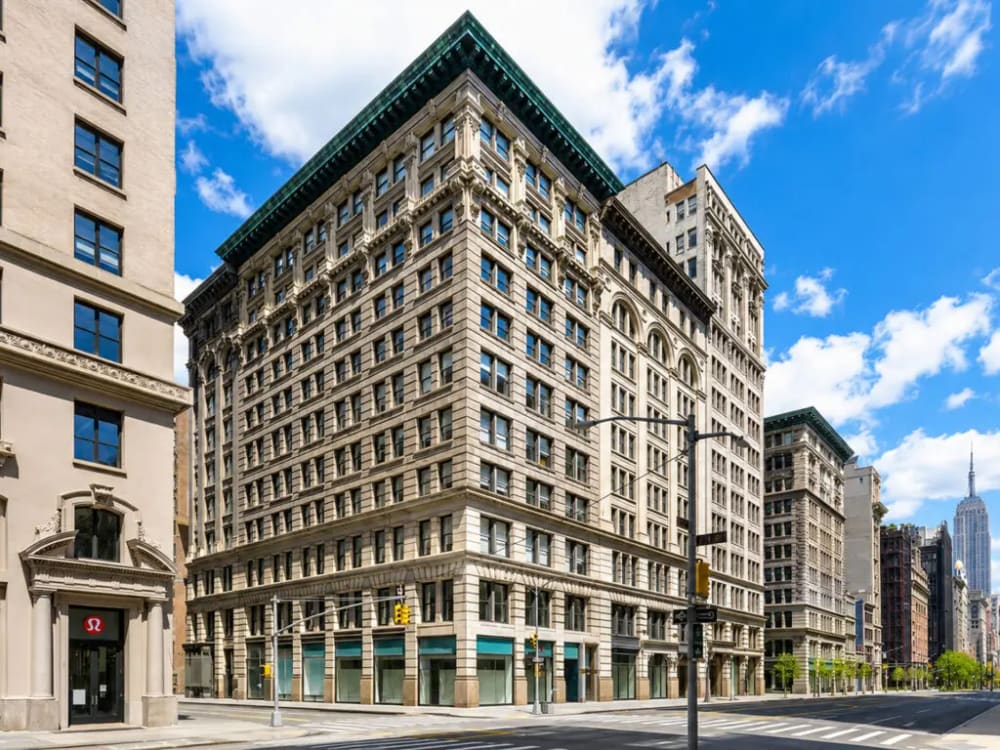
Closing Costs: The Line Items Buyers Forget to Budget
Flatiron's inventory skews heavily toward condos rather than co-ops, since most of the neighborhood's cast-iron buildings converted directly from commercial to condominium ownership. That matters for your closing cost budget: condo buyers in New York City should plan for closing costs between 3% and 6% of the purchase price, while the smaller co-op share of Flatiron's market runs closer to 1% to 3%.
The mansion tax is usually the single largest line item. New York's mansion tax applies to any residential purchase of $1 million or more, which covers the majority of Flatiron transactions, and it steps up in tiers as the price climbs: 1% between $1 million and $2 million, roughly 1.25% in the $2 million to $3 million range, and higher still above that, according to the NYC Department of Finance. On a $2.5 million two-bedroom, that alone comes to about $31,000.
Add the mortgage recording tax on any financed purchase, roughly 1.8% of the loan amount, plus attorney fees, title insurance, and building application fees, and total closing costs on a financed Flatiron condo typically land in the 4% to 5% range.

Financing a Flatiron Purchase
Most Flatiron purchases require a jumbo loan, since loan amounts routinely exceed the conforming limit set by the Federal Housing Finance Agency. Lenders generally want at least 20% down, strong post-closing reserves, and full documentation of income and assets, requirements covered in more depth in my mortgage guide for luxury NYC properties. Buyers weighing a co-op instead of a condo should also review my condo versus co-op guide, since board financial requirements can be considerably stricter than what a lender alone would ask for.
Rate movement matters here too. Even a modest shift in the prevailing rate, tracked weekly in Freddie Mac's Primary Mortgage Market Survey, changes the monthly payment on a jumbo loan enough to affect what price point actually fits a given budget.
Where Buyers Actually Have Room to Negotiate
The gap between Flatiron's $3.65 million average list price and $2.47 million average sold price is wide enough to matter. A spread that size usually means a meaningful share of inventory is priced aspirationally, and that well-prepared buyers who negotiate seriously have real room to work with, a dynamic StreetEasy's market data shows holding across much of Manhattan's luxury segment through recent financing shifts.
Flatiron's roughly 230 active listings also give buyers more leverage than the tighter market just north in NoMad, which typically has fewer than 100 homes for sale at a given time. More inventory to compare against generally means more room to negotiate on any single unit.
What It Costs to Own After You Buy
The closing check is not the last one. Monthly common charges in a Flatiron condo generally run from $1,000 to $2,500 for a one- or two-bedroom, and considerably more in a full-service new development with a large staff and amenity package. Older cast-iron loft buildings tend to sit at the lower end of that range, since many operate with a smaller staff and fewer shared amenities than newer construction.
Real estate taxes are billed separately from common charges and vary by unit and building, so ask for the actual tax bill on any listing rather than estimating from the purchase price alone. Some Flatiron condos, particularly newer developments, carry a temporary tax abatement that keeps the assessed value well below market value for a set number of years, which can make the early years of ownership meaningfully cheaper than the sticker numbers suggest. That benefit phases out on a schedule, so factor in what the tax bill looks like once the abatement expires, not just what it is on day one.
Budget for both lines before you bid, not after the board package or the mortgage commitment is already in motion.
Putting It Together: A Realistic Example
Take a $2.5 million two-bedroom loft conversion, financed with a $1.5 million mortgage. The mansion tax runs about $31,000. The mortgage recording tax on the loan adds roughly $27,000. Attorney fees, title insurance, and building application and move-in fees typically add another $15,000 to $25,000. All in, a buyer should plan on $75,000 to $85,000 above the purchase price before the keys change hands.
That is a wide gap from the sticker price. It belongs in an offer strategy from the first showing, not a surprise at the closing table.
Frequently Asked Questions About Buying in Flatiron
How much does the average apartment cost in Flatiron?
Flatiron's average list price is around $3.65 million, with an average sold price closer to $2.47 million. Price per square foot averages about $2,173, and list prices across the neighborhood range from roughly $440,000 to $30 million depending on size and building.
What are typical closing costs when buying in Flatiron?
Since most Flatiron inventory is condo rather than co-op, buyers should plan on closing costs between 3% and 6% of the purchase price, including the mansion tax, mortgage recording tax, attorney fees, and title insurance. A smaller co-op segment of the market runs closer to 1% to 3%.
Does the mansion tax apply to Flatiron apartments?
Yes. New York's mansion tax applies to any residential purchase of $1 million or more, which covers most Flatiron transactions. The rate starts at 1% for purchases between $1 million and $2 million and increases in tiers as the price climbs.
Is it easier to negotiate price in Flatiron than in NoMad?
Flatiron typically has more active listings than neighboring NoMad, and the wide gap between the neighborhood's average list and sold prices suggests real negotiating room for well-prepared buyers, particularly on inventory that has been sitting on the market.
If you are working through what a specific Flatiron purchase would actually cost you, from the offer through closing, I would welcome the chance to walk through the numbers together. Reach me directly at cbain@bhsusa.com or 212.814.9404, or find more about how I work with buyers on my about page.
Sources & References
Buyer Guides
Related Articles

June 30, 2026 | Curtis Bain
NYC Rent Freeze 2026: What It Means for Buyers, Sellers & the Manhattan Market
VIEW ARTICLE
March 20, 2026 | Curtis Bain
NYC Closing Costs Explained: What Every Buyer Should Know
VIEW ARTICLE
February 18, 2026 | Curtis Bain