Buyer Guides
August 17, 2026
What Does $2 Million Buy in Flatiron?
Flatiron's average sold price currently sits at $2.47 million, which puts a $2 million budget just below the neighborhood midpoint — a realistic number, but one that requires knowing exactly where the value is. In a neighborhood spanning $440,000 studios to $30 million penthouses, $2 million is a meaningfully different apartment depending on whether you spend it on a co-op or a condo, a loft conversion or new construction. Here's how I'd break it down for a buyer working with this budget in Flatiron today.
The Co-op Route: More Space, More Process
At $2 million, a prewar co-op is usually your best path to a genuine two-bedroom, and sometimes a two-bedroom with a home office or dining alcove, particularly in a loft-style conversion on one of Flatiron's quieter side streets off Park Avenue South. You'll trade some of the polish of new construction for higher ceilings, more square footage per dollar, and often lower monthly carrying costs relative to a comparably sized condo. The tradeoff is board approval: financial disclosure, reference letters, and typically an interview. My co-op board interview guide walks through what to expect if this is your first co-op purchase.
The Condo Route: Less Space, More Amenity
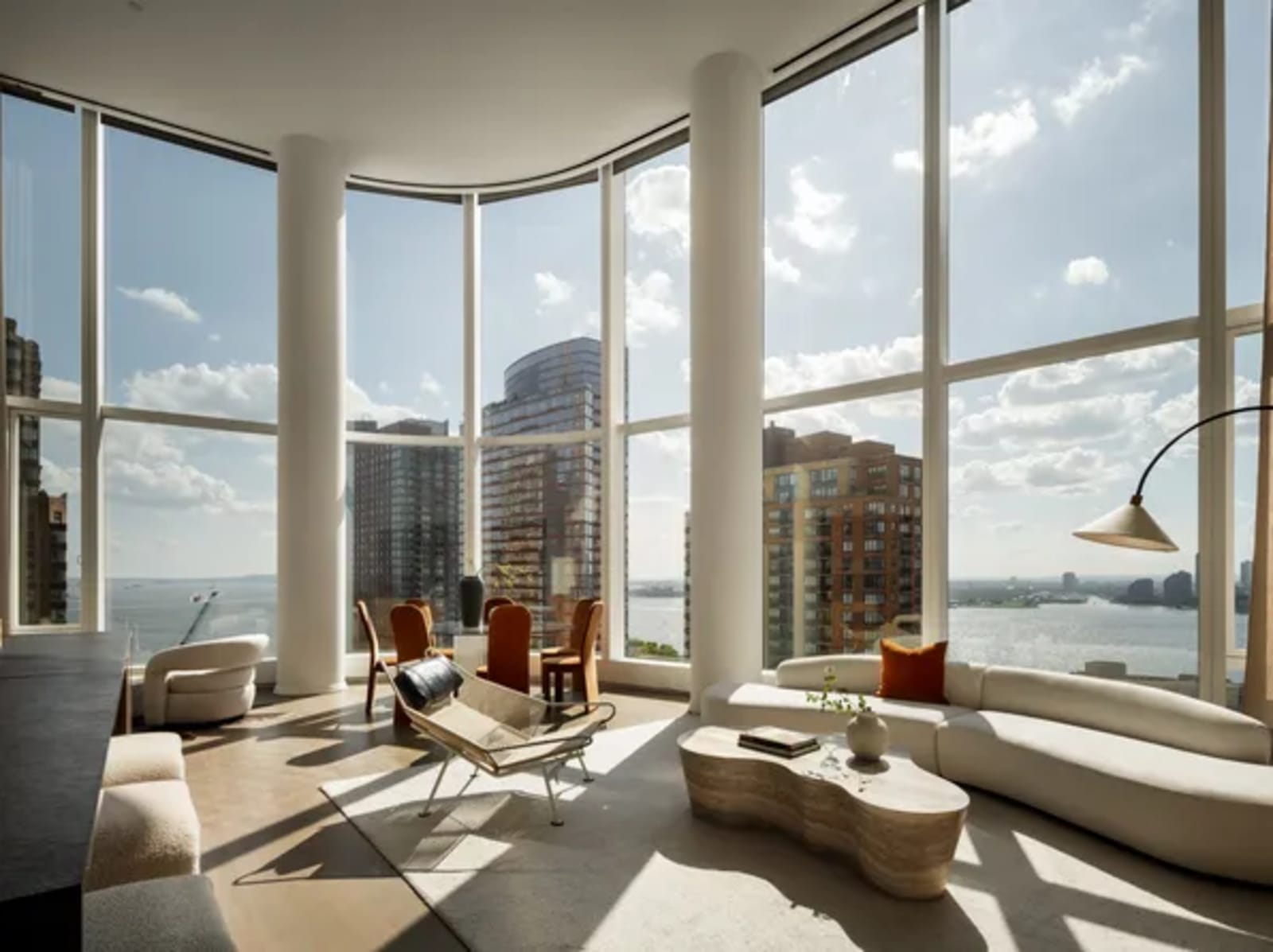
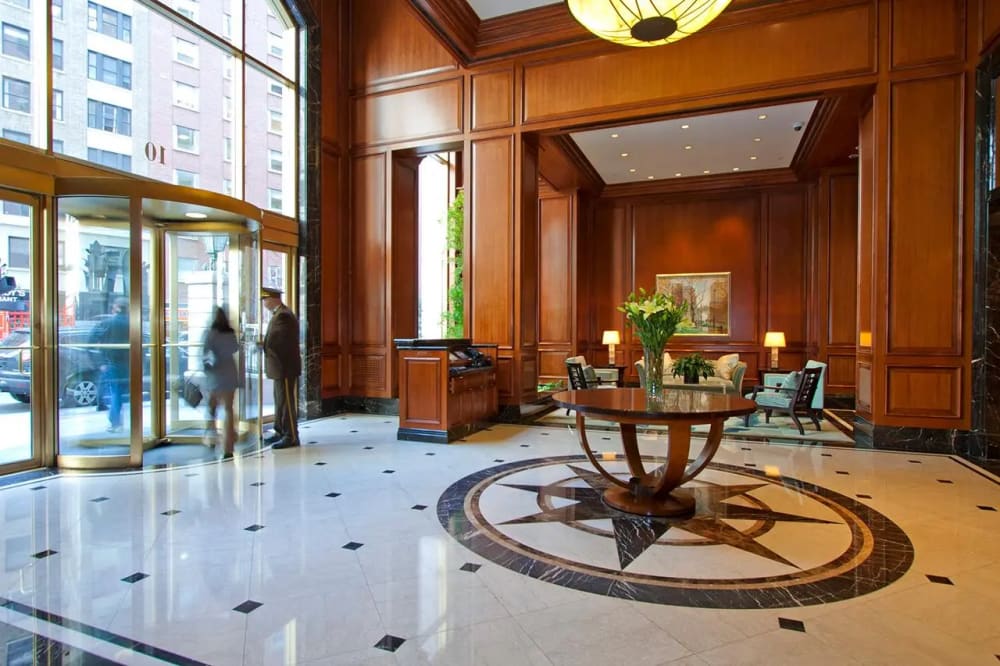
In a condo, particularly a full-service building, $2 million more typically buys a one-bedroom or a compact two-bedroom, with the difference going toward doorman service, a fitness center, and sometimes a resident lounge or roof deck. New development towers in the neighborhood, including buildings like One Madison and 10 Madison Square West, generally price well above this threshold for their larger layouts — a $2 million budget in one of these buildings is more likely to land a one-bedroom or a smaller convertible two, if inventory happens to be available. I cover the specific buildings in more depth in The Best Condo Buildings in Flatiron.

Flatiron $2M Snapshot
$2.47M
Neighborhood Avg. Sold Price
$2,173
Avg. Price / Sq Ft
~900–1,150
Est. Sq Ft at $2M, $2,173/sqft
230
Homes Currently For Sale
At Flatiron's average price per square foot, $2 million pencils out to roughly 900 to 1,150 square feet — enough for a genuine one-bedroom-plus-den or a modest two-bedroom, though the actual unit you land depends heavily on building, floor, and light exposure. Co-op pricing tends to run below this average per-square-foot figure, condo new construction above it, which is the single biggest lever for stretching or tightening that range.
How Flatiron Compares
For context, that same $2 million tends to buy noticeably less square footage just north in NoMad, where average price per square foot runs to $2,427 — I break down that comparison directly in What Does $2 Million Buy in NoMad? and in Flatiron vs. NoMad: Which Neighborhood Is Right for You? According to StreetEasy's market data, price-per-square-foot gaps like this one between adjacent Manhattan neighborhoods are common and often come down less to prestige than to the age and amenity level of available inventory.
Budgeting Beyond the Purchase Price
Whatever unit you land on, build in room for closing costs and, if applicable, mansion tax — both add up quickly at this price point. My NYC closing costs guide breaks down the full list of line items, and if you're financing rather than paying in cash, my luxury mortgage guide covers jumbo loan qualification specific to NYC purchases.
Key Data Sources & References
- Flatiron neighborhood pricing data, current listing figures as of publication
- StreetEasy Market Reports
- Manhattan Market Report: Q2 2026
Figures reflect current average pricing data as of publication and will shift with market conditions and available inventory. For a personalized search built around your specific budget, please reach out directly.
Back to BlogBuyer Guides
Related Articles

June 30, 2026 | Curtis Bain
NYC Rent Freeze 2026: What It Means for Buyers, Sellers & the Manhattan Market
VIEW ARTICLE
March 20, 2026 | Curtis Bain
NYC Closing Costs Explained: What Every Buyer Should Know
VIEW ARTICLE
February 18, 2026 | Curtis Bain