Neighborhood Guides
August 27, 2026
Moving to NoMad NYC: A Practical Guide for New Residents
I've written about NoMad twice already. Once on pricing and building stock, once on where to eat and stay. This is the other conversation. The one that comes up after a client has toured two or three apartments and gone quiet for a minute.
It's always some version of the same questions. How do I get to work from here. Where do I buy groceries. Is it loud at eleven on a Tuesday. Can I even rent in this neighborhood.
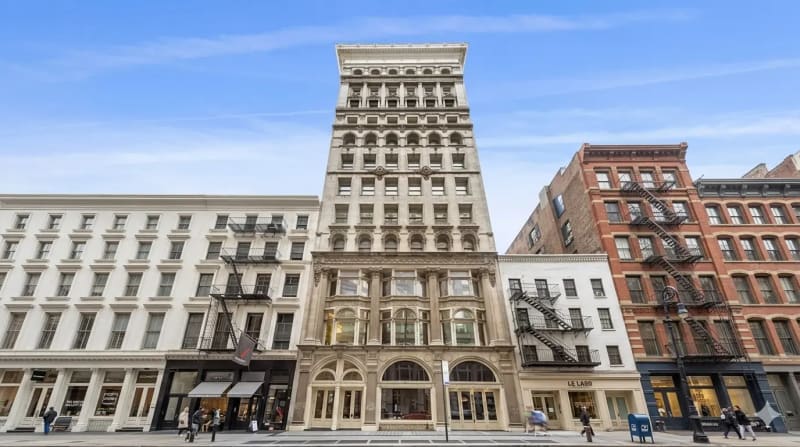
NoMad is small. You can walk it end to end in about fifteen minutes. Most of it was commercial before it was residential, and that shapes daily life here more than people expect. It's not something that comes up on a walkthrough.
Renting vs. buying
There isn't much to rent here.
Last time I pulled numbers for a client, there were 90-something homes for sale and around 18 rentals. That ratio is unusual even by Manhattan standards.
It comes down to the building stock. NoMad was garment showrooms, wholesale offices, small manufacturing floors. When a commercial building goes residential, it almost always becomes condos, not a rental building with a leasing office. So there's no real rental portfolio to shop from. What you get instead is whatever owner decides to sublet that month.
If you're renting: move fast, and work with someone who knows owners directly rather than whoever's posting on StreetEasy. Expect a short list. A few blocks in any direction you'd have three times the options.
If you're buying, the same stock works for you. Condos mean fewer co-op boards asking for three years of tax returns, quicker closings, and the option to rent the place out yourself down the line. I go through the pricing side in more detail in my NoMad real estate guide.
Getting around
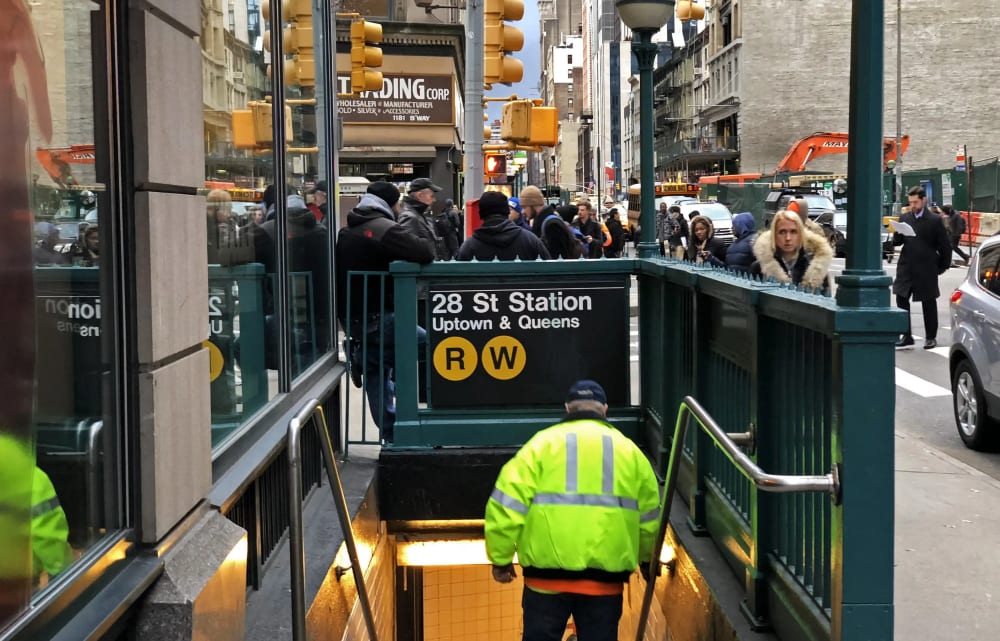
The 6, N, R and F are all within a few minutes' walk. Midtown is about ten minutes door to door. Financial District, closer to twenty. Union Square and Downtown Brooklyn without a transfer.
What clients tell me after a few months isn't that it's fast. It's that they stopped planning around it. Meeting in Flatiron, you walk. Brooklyn on Thursday, one train. Home Monday and Wednesday.
Cabs and rideshares are easy on Fifth and Broadway most hours, which matters more than people admit on the mornings the subway isn't cooperating.
The catch: there's no clean one-seat ride to the Upper West Side or most of Queens. If work or a school pulls you that way regularly, you're transferring. Worth knowing before you sign.
The PATH station at 23rd Street puts Hoboken and Jersey City about twenty minutes away, which comes up more often than you'd think once a client mentions a partner who works in New Jersey. Getting to the airports still means a transfer no matter what. JFK is a manageable ride, the E train to the AirTrain gets you there in under an hour outside rush hour. LaGuardia is the weak point. There's no train close, and most people just take a car.
Groceries and errands
Fine. Not great.
Full supermarkets are out toward Sixth and Third. There are specialty markets closer in, plus the food halls, which are excellent for dinner and useless for a grocery run. I once went into one looking for dish soap.
Eataly, right on Madison Square Park, is the closest thing to a real grocery run if you don't mind elbowing tourists for a jar of olive oil. For an actual cart-and-checkout trip, Whole Foods down at Union Square and the Trader Joe's over on Sixth are both closer to a fifteen-minute walk, more once you're carrying bags home.
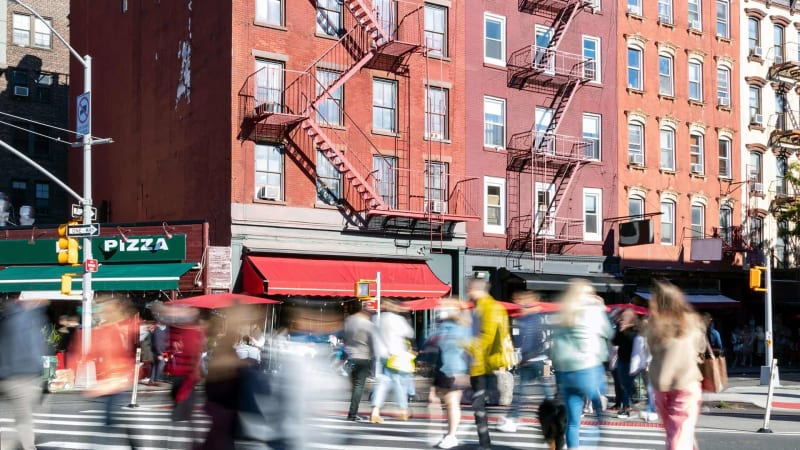
Pharmacies, dry cleaners, hardware stores mostly cluster along Madison and Fifth, and ten minutes of walking covers most of what you need. But coverage thins out fast once you're on the quieter side streets, so walk your specific block before you sign anything.
Gyms are everywhere, from boutique studios to full clubs tucked into the hotel buildings.
What you won't find: big-box stores, a drugstore on every corner. For that you're going to Union Square or Chelsea. Short ride, but it's a ride.
I tell everyone the same thing here. Walk the block at 8am on a weekday, then again on a Saturday afternoon. The corner off Madison Square Park and a block two streets east are not the same neighborhood.
Pets
NoMad's building stock works in your favor here. Condo boards generally care far less about pets than co-op boards do, and since almost everything in the neighborhood is a condo, the fight that plays out elsewhere in Manhattan mostly doesn't happen here. A handful of the older conversions still carry weight limits or breed restrictions, so ask before you fall for a specific unit.
The Madison Square Park dog run is the real center of gravity for anyone with a dog, busy from early morning through last light. Pet stores and groomers are scattered along Madison and Fifth for the basics. For anything more involved, most people head down to the bigger shops in Chelsea.
Noise
NoMad isn't quiet. Parts of it are.
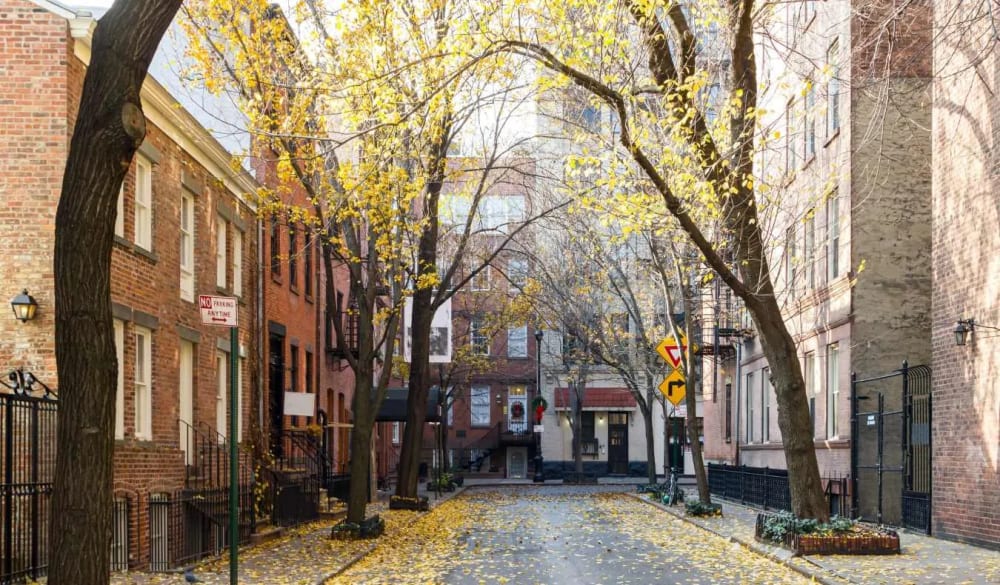
Broadway and Fifth stay loud well into the night, and anything near the hotel and restaurant cluster hears it. Walk one or two blocks east toward Madison, or onto the short cross streets in the high 20s, and it changes completely. Loft buildings, almost no retail, a pace closer to Gramercy than to the restaurant row a few avenues over.
Ask the listing agent about construction. Directly. A lot of these conversions are still mid-renovation somewhere in the building or next door, and that can mean a jackhammer outside your window for a year.
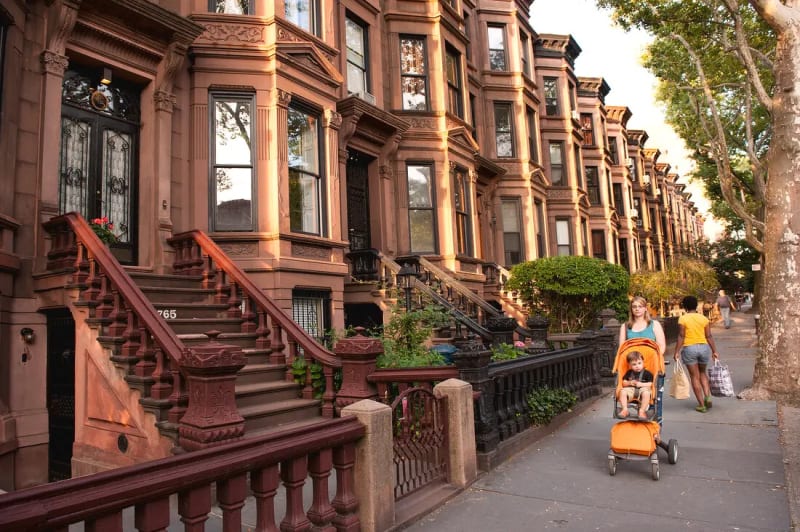
On families, I'd rather be blunt: this isn't a stroller neighborhood, and school options are narrower than in most places I'd point a family toward. For a couple, a single professional, or someone whose kids are out of the house, the quiet blocks here are the real draw.
Moving day
Most of these buildings were never built with moving trucks in mind.
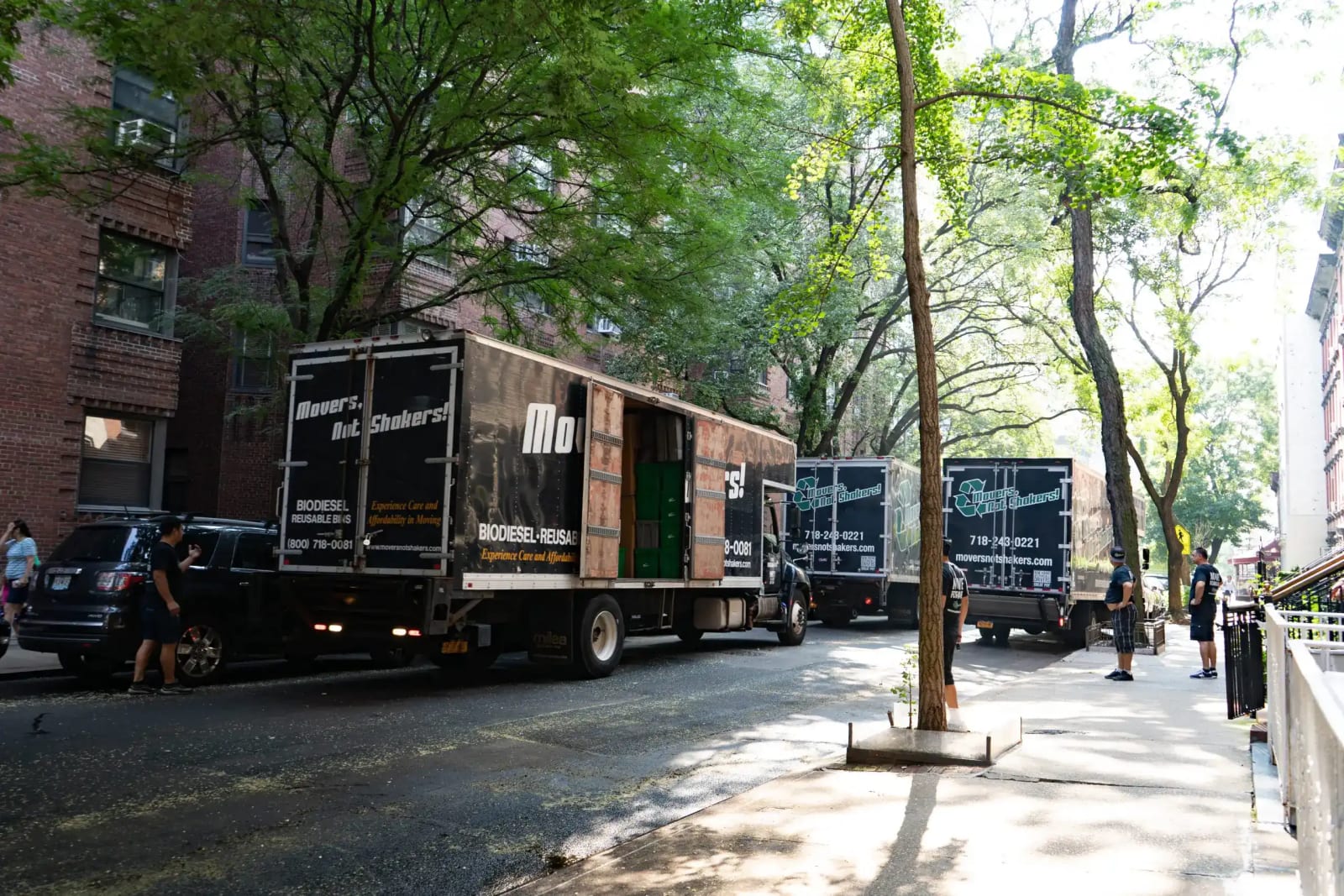
If you're going into one of the loft conversions, book the freight elevator in advance through the building's management or super. Most will ask for a certificate of insurance from your moving company before they'll confirm the slot. Skip that step and you can show up on moving day to a locked freight elevator and no plan B.
Loading is its own problem. Broadway, Fifth, and Madison all have long no-standing stretches during the day, so a mid-block street is usually the better bet for a truck. Check the building's loading dock or freight entrance before move-in day, not the morning of.
None of this is unique to NoMad. It just hits harder here because so much of the stock is converted commercial space rather than buildings designed for move-in turnover. Budget an extra day of lead time you wouldn't need going into a standard high-rise.
So is it right for you
Short commute. A small market that treats buyers better than renters. Errands that work fine if you picked the right block. Noise that swings street to street more than almost anywhere else I show.
If you want more rental inventory, more green space at your door, or a block that's quiet no matter where you land, look at Flatiron next door. Same walkability, same food, spread over more ground.
And if what brought you here was the restaurants and hotel bars, my NoMad and Flatiron lifestyle guide is the better read.
Either way, go walk the blocks. More than once, at different times of day, on a weekday and a weekend. I show NoMad often enough to have opinions about which buildings suit which kind of life, and I'd rather talk someone out of the wrong apartment than find them one they're unhappy in by spring.
If you're weighing NoMad against Flatiron, Gramercy, or anywhere else down that way, or you just want a second read on a specific listing, email me at cbain@bhsusa.com or call 212.814.9404.
Sources & References
Neighborhood Guides