Neighborhood Guides
August 20, 2026
The Ultimate Guide to NoMad Real Estate
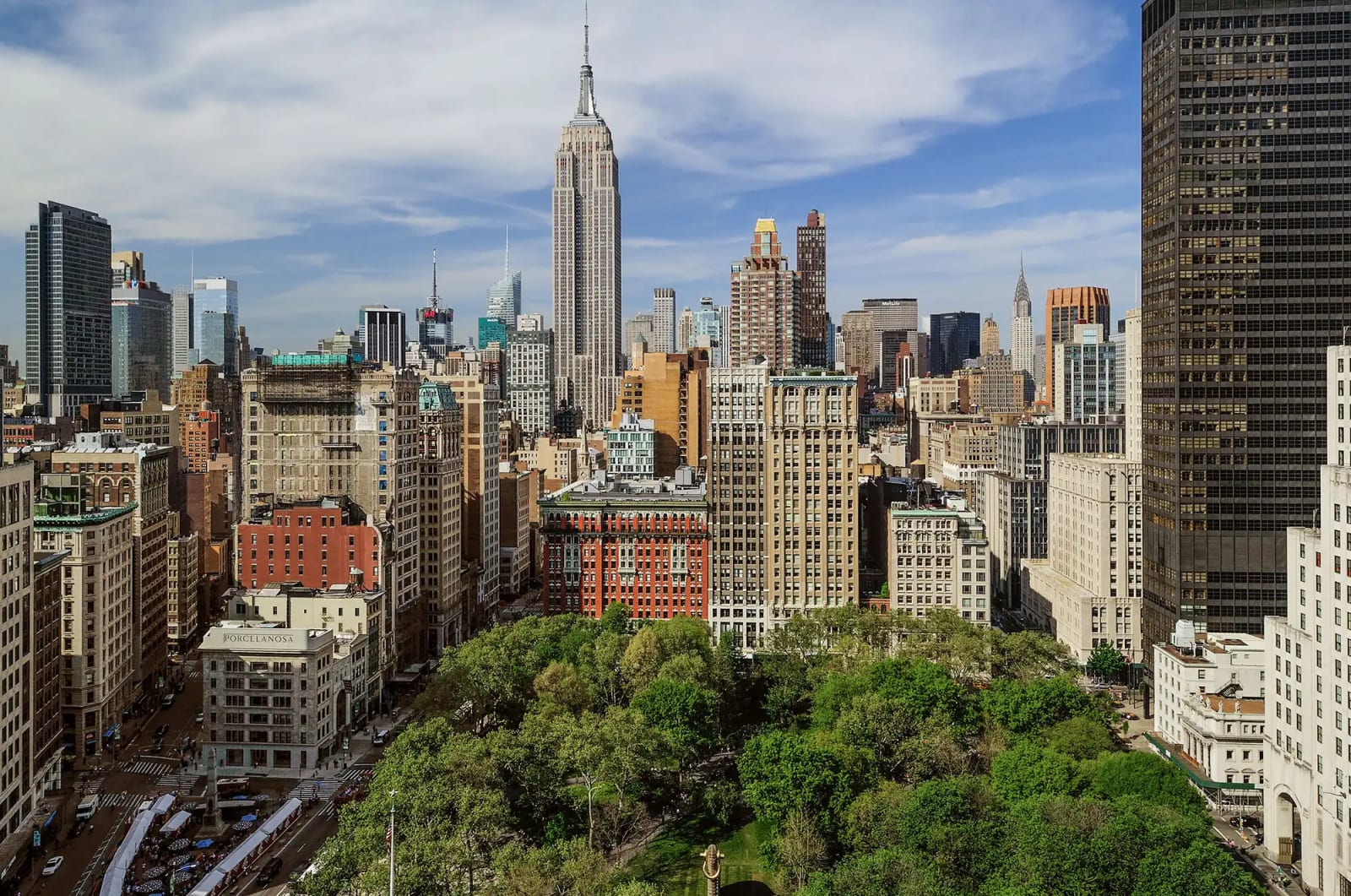
NoMad sits directly north of Madison Square Park, and it has spent the last decade transforming from an overlooked office corridor into one of the borough's most sought-after residential addresses. The name itself, a real estate industry coinage from the early 2010s, now anchors a housing market defined by prewar loft conversions, glass-and-steel new developments, and a walk score that ranks among the highest in the city. For buyers weighing where to plant roots in Manhattan, NoMad offers a rare combination: the architectural depth of a historic Beaux-Arts district paired with the modern condo product typically found only in newer neighborhoods like Hudson Yards.
This guide breaks down what buyers actually need to know before touring apartments here: current pricing, the housing stock itself, the neighborhood's best buildings, and how NoMad stacks up against its closest rival, Flatiron, just a few blocks south.
NoMad's Real Estate Market: Prices, Inventory & Trends
NoMad's real estate market has firmed up considerably over the past several years, and the numbers reflect a neighborhood that buyers are actively competing for rather than discovering. According to StreetEasy's market data dashboard, Manhattan's overall luxury segment has held steady even as financing costs have shifted, and NoMad has tracked that resilience closely. Within my own neighborhood data, the average price per square foot in NoMad currently sits around $2,427, with an average list price near $3.27 million and an average sold price closer to $3.52 million. That gap is evidence that well-priced listings are closing near or above ask in a market with limited inventory. At any given time, there are typically fewer than 100 homes for sale in the neighborhood, a reflection of how tightly held the housing stock is compared to larger, more built-out districts.
That scarcity is structural rather than temporary.
NoMad's footprint is small. It runs roughly from Fifth Avenue to Sixth Avenue between 23rd and 30th Streets, and much of its historic building stock was converted to residential use decades ago, leaving relatively little room for new ground-up construction. The developments that do come to market, whether full conversions of landmarked office buildings or the occasional new tower, tend to be absorbed quickly. Buyers should expect a market where the best units (high floors, corner exposures, private outdoor space) draw multiple offers within the first two weeks of listing, particularly during the spring and fall selling seasons. Pricing across the neighborhood also varies meaningfully depending on vintage: prewar loft conversions with 10-to-12-foot ceilings and exposed detailing tend to command a premium over their square footage alone, while newer full-service condominiums price closer to the neighborhood average but offer amenities and financing flexibility that older buildings often lack.
Condo vs. Co-op: What You'll Find in NoMad
Unlike much of the Upper East Side or Upper West Side, where prewar co-operatives dominate the housing stock, NoMad's residential market skews heavily toward condominiums. Many of the neighborhood's buildings began life as commercial loft space: garment showrooms, publishing offices, wholesale storefronts. They converted directly to condo ownership rather than co-op corporations, which typically require a longer institutional history. For buyers, that matters enormously in terms of process: condo purchases in NoMad generally move faster, involve lighter board scrutiny, and allow more flexibility around subletting, pied-à-terre ownership, and financing structure than a comparable co-op purchase elsewhere in Manhattan. My complete condo versus co-op guide walks through the tradeoffs in more depth, but the short version for NoMad specifically is that most listings here will not require the multi-week board package and interview process that shapes co-op purchases uptown.
That said, condo ownership in NoMad still carries real diligence requirements.
Because many buildings are conversions of pre-1950s commercial structures, buyers should scrutinize the building's mechanical systems, facade maintenance history, and reserve fund carefully. Older infrastructure retrofitted for residential use can carry higher long-term carrying costs than a ground-up new development, even when the sale price per square foot looks similar on paper. A qualified engineer's inspection is worth the cost on any prewar conversion, and I walk every buyer client through exactly what that inspection should cover before they go into contract.
The Neighborhood's Best Buildings & New Developments
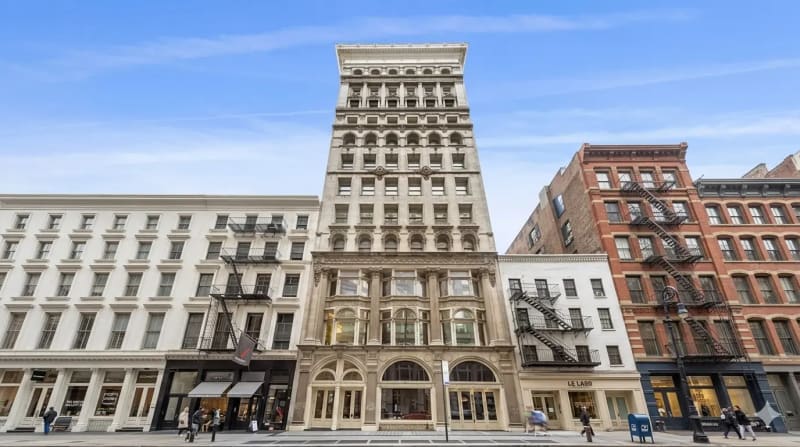
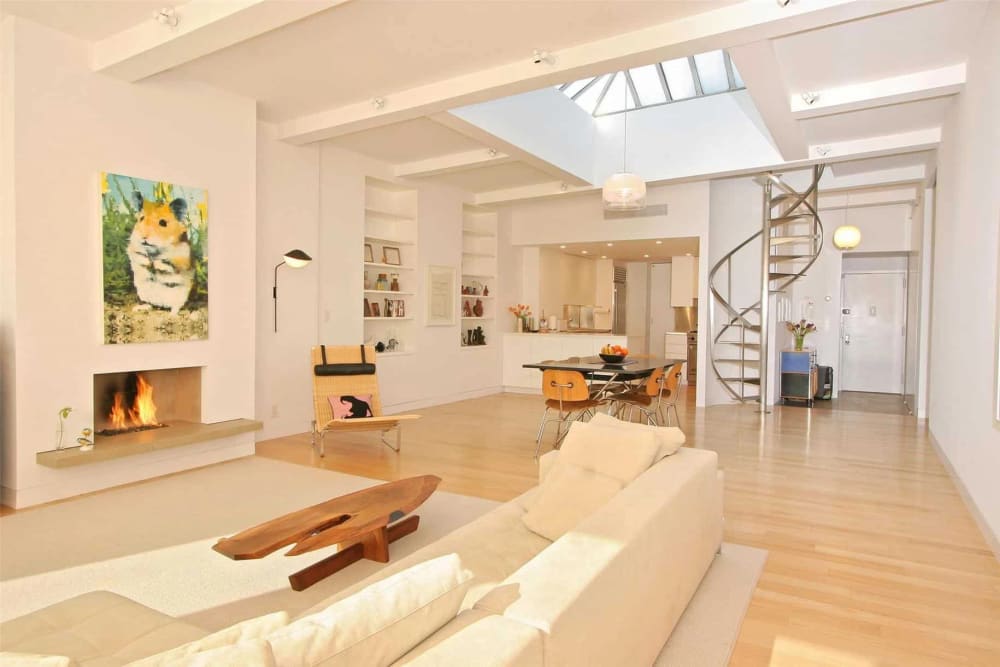
NoMad's building stock breaks into two broad categories, and understanding the difference helps buyers narrow their search quickly. The first is the prewar loft conversion: buildings originally constructed for commercial or light-industrial use between roughly 1900 and 1930, later reimagined as residential lofts with soaring ceilings, oversized windows, and open floor plans that are difficult to find anywhere else in Manhattan at this price point. These conversions cluster along Broadway, Fifth Avenue, and the side streets immediately north of Madison Square Park, and they remain the neighborhood's signature product for buyers who want architectural character over amenity count.
The second category is full-service new development, a smaller but growing share of NoMad's inventory. These buildings typically offer the amenity package associated with newer Manhattan luxury product: fitness centers, resident lounges, package rooms, and in some cases rooftop terraces, paired with 24-hour doorman service that many of the older loft conversions simply were not built to accommodate. Buyers choosing between the two are usually making a tradeoff between ceiling height and light exposure on one side, and turnkey amenities and lower maintenance uncertainty on the other. Given the neighborhood's limited footprint, inventory in either category moves quickly once it hits the market, so buyers who have identified NoMad as a target should be pre-approved and ready to view new listings within days of them going live, not weeks.
Living in NoMad: Dining, Design & Everyday Life
Real estate value in NoMad is inseparable from the neighborhood's lifestyle offering, which has become one of the densest concentrations of destination dining and design resources in Manhattan. I cover this in detail in my guide to NoMad and Flatiron's restaurant, hotel, and design scene, but the short version is that NoMad residents live within a few blocks of Michelin-starred restaurants, boutique hotels from the Ritz-Carlton to the New York EDITION, and the city's largest concentration of independent furniture and design showrooms, anchored by the New York Design Center. For buyers renovating or furnishing a new home, that proximity is a genuine practical advantage, not just a marketing point. NoMad's history as a neighborhood is documented in more depth on Wikipedia's overview of NoMad, Manhattan, which traces the area's evolution from a wholesale garment district into its current form.
The neighborhood also scores a perfect 10 out of 10 for walkability in my own neighborhood data, consistent with its position among the most walkable neighborhoods in Manhattan. Madison Square Park anchors the area as its green centerpiece. The neighborhood's central location is roughly equidistant from Midtown, Union Square, and the West Village, so residents rarely need more than a short walk or a quick subway ride to reach most of the city's major commercial and cultural districts.
NoMad vs. Flatiron: How to Choose
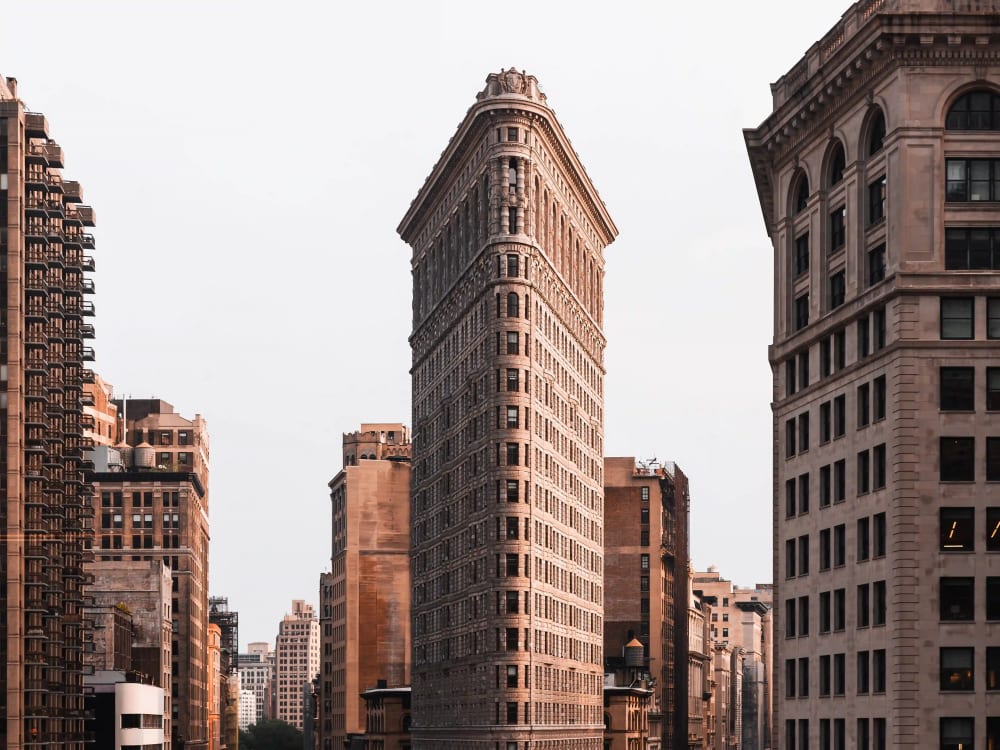
NoMad and Flatiron sit back-to-back around Madison Square Park and share nearly identical walkability, dining access, and transit connectivity, which means the decision between them usually comes down to housing stock rather than lifestyle. NoMad's inventory skews slightly newer and more condo-heavy, with a marginally higher average price per square foot reflecting a greater share of full-service new development. Flatiron, by contrast, has a deeper concentration of classic cast-iron loft conversions and a housing stock that on average trades at a modest discount to NoMad on a per-square-foot basis, though the gap has narrowed considerably as both neighborhoods have appreciated.
For buyers prioritizing turnkey amenities, elevator service in every building, and the broadest selection of newer condo product, NoMad is typically the stronger fit. For buyers who want the largest inventory of authentic prewar lofts with soaring ceilings and cast-iron architectural detail, Flatiron often has the edge. Many of my clients end up touring both neighborhoods in the same search, since the physical distance between them is a matter of a few blocks rather than a meaningfully different commute or lifestyle. I typically recommend buyers view listings in both neighborhoods before narrowing their search, since the right building often matters more than which side of the park it sits on. For the Flatiron side of this comparison, including current pricing and building stock, see my guide to living in Flatiron.
Who Should Buy in NoMad
NoMad tends to attract a specific kind of buyer: professionals and design-minded households who want a highly walkable, amenity-dense Manhattan address without sacrificing the architectural character that drew them to New York in the first place. It is a strong fit for buyers relocating from other cities who want a turnkey condo purchase without the extended timeline of a co-op board process, and it is equally well suited to design professionals and creative buyers who want to be steps from the city's furniture and lighting showroom district. Given the neighborhood's small footprint and limited annual inventory, buyers should also come prepared to move decisively. That means pre-approved, with financing in order, and ready to make an offer within days of a strong listing hitting the market.
Frequently Asked Questions About NoMad Real Estate
Is NoMad a good neighborhood to buy real estate in NYC?
Yes. NoMad combines a perfect 10 out of 10 walkability score with strong price stability, a mix of prewar loft conversions and newer full-service condominiums, and one of the highest concentrations of dining and design retail in Manhattan. Limited inventory keeps demand consistently strong.
What is the average price per square foot in NoMad?
NoMad currently averages around $2,427 per square foot, with an average list price near $3.27 million and an average sold price closer to $3.52 million, reflecting a market where well-priced listings routinely close near or above asking price.
Are NoMad apartments mostly condos or co-ops?
NoMad's housing stock skews heavily toward condominiums, since many buildings began as commercial loft space that converted directly to condo ownership rather than long-established co-op corporations. This generally means a faster purchase process with lighter board scrutiny than a comparable co-op elsewhere in Manhattan.
How does NoMad compare to Flatiron for buyers?
The two neighborhoods share nearly identical walkability and lifestyle amenities. NoMad's inventory trends slightly newer and more condo-heavy with a modestly higher price per square foot, while Flatiron has a deeper stock of classic prewar loft conversions, often at a small discount on a per-square-foot basis.
If you are exploring NoMad, Flatiron, or the broader Madison Square Park corridor, I would welcome the chance to walk you through current inventory and help you understand what today's average price per square foot actually buys across the neighborhood's different building types. You can reach me directly at cbain@bhsusa.com or 212.814.9404, or read more about my approach on my about page.
Sources & References
Neighborhood Guides