Neighborhood Guides
July 8, 2026
The Pros and Cons of Every NYC Neighborhood: A Buyer's Comparison Guide
No two NYC neighborhoods offer the same lifestyle, and no neighborhood is without trade-offs, even the most coveted ones. A prewar co-op on the Upper East Side and a converted loft in Tribeca might sit at similar price points, yet the day-to-day experience of living in each could not be more different. Before you commit to a search radius, it helps to understand honestly what you gain and what you give up in each part of the city.
This guide walks through the pros and cons of the neighborhoods across Manhattan and Brooklyn where I spend most of my time as an agent, organized by area so you can compare like for like. For a full directory with pricing data, walkability scores, and photography for each area, visit the neighborhoods section of the site. If you already know where you want to be and are ready to see what is available, our current exclusive listings are a good next stop.
25
Neighborhoods Covered
2
Boroughs
$100K-$90M
Price Range Spanned
10
Top Walk Score Areas
Downtown Manhattan
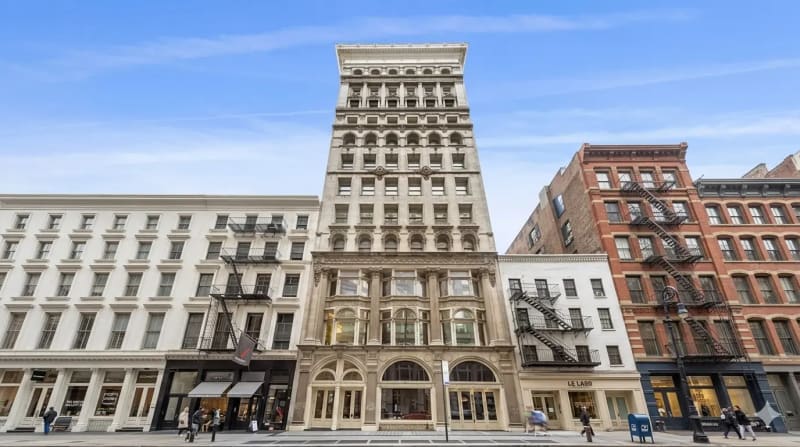
Downtown covers everything below 14th Street, and it is where the city's architectural history is most visible, from cast-iron facades to cobblestone streets. It also commands some of the highest prices per square foot in the city, so the trade-off for character and location is often a smaller footprint.
Tribeca
Tribeca is Manhattan's most prestigious downtown address, known for oversized converted lofts, cobblestone streets, and a level of privacy that draws high-profile buyers. For a sense of current inventory in the area, our Tribeca neighborhood guide goes deeper into pricing and building stock.
- •ProSome of the largest, most flexible floor plans in Manhattan, many with soaring prewar or industrial ceiling heights
- •ProA genuinely quiet, low-traffic residential feel despite being minutes from the Financial District and SoHo
- •ProStrong long-term appreciation and consistently high resale demand
- •ConEntry prices are among the steepest in the city, with few options under $2 million
- •ConFewer subway lines directly serve the neighborhood's western edge, meaning more walking to transit
- •ConNightlife and casual retail are limited compared to neighboring SoHo
SoHo
SoHo pairs iconic cast-iron architecture with some of the best retail in the world. It is a true seven-day-a-week neighborhood, and buyers can browse our detailed SoHo neighborhood guide or view our current listing at 158 Mercer Street to see the caliber of building stock available here.
- •ProUnmatched shopping, dining, and gallery culture right outside your door
- •ProStriking, landmarked architecture that is difficult to find anywhere else in the city
- •ProExcellent subway access with multiple lines converging nearby
- •ConWeekend sidewalks are dense with shoppers and tourists, which can wear on residents over time
- •ConMany loft buildings are walk-ups or have limited elevator access
- •ConRetail noise and foot traffic can be intrusive on ground and lower floors
NoHo
Just east of Broadway, NoHo offers a quieter, more intimate version of the SoHo aesthetic, with fewer buildings and a tighter-knit residential community.
- •ProLandmarked cast-iron buildings with a calmer, more residential feel than SoHo proper
- •ProWalking distance to Washington Square Park, the East Village, and NYU's cultural orbit
- •ProVery high walkability and strong subway access at Broadway-Lafayette
- •ConLimited inventory means fewer choices and longer searches for the right unit
- •ConPremium pricing per square foot given the small footprint of the neighborhood
- •ConFewer green spaces directly within the neighborhood boundaries
Nolita
Nolita is a compact, boutique-driven pocket north of Little Italy, favored by buyers who want a European, low-density feel without leaving Manhattan.
- •ProA distinctly boutique, low-density streetscape with independent shops and cafes
- •ProCentral downtown location within walking distance of SoHo, the East Village, and the Lower East Side
- •ProStrong dining scene relative to the neighborhood's small size
- •ConVery limited housing stock, with some of the fewest homes for sale of any neighborhood in this guide
- •ConPrices per square foot rank among the highest in the city
- •ConStreets can feel crowded on weekends as visitors mix with SoHo's overflow
Greenwich Village
Greenwich Village remains one of the most storied residential pockets in the country, with landmarked townhouses and a fiercely protective historic district designation.
- •ProTimeless townhouse architecture protected by historic district status
- •ProWashington Square Park anchors the neighborhood with green space and constant street energy
- •ProExcellent walkability and some of the best restaurants in Manhattan within a few blocks
- •ConHistoric district rules limit renovation flexibility for townhouse owners
- •ConNYU's campus presence means a younger, more transient population in pockets of the neighborhood
- •ConPremium pricing, with average price per square foot among the highest citywide
West Village
The West Village is frequently cited as one of the most walkable neighborhoods in the country, thanks to its irregular colonial-era street grid and village-scale charm.
- •ProNear-perfect walkability, with groceries, restaurants, and parks all within a short stroll
- •ProCharming, low-rise streetscape that feels distinct from the rest of Manhattan
- •ProThe Hudson River waterfront and Hudson River Park are just blocks away
- •ConThe irregular street grid can make navigating by car or rideshare genuinely frustrating
- •ConAmong the highest average list prices per square foot in the city
- •ConLimited new construction, so buyers seeking modern amenities have fewer choices
East Village
The East Village keeps more of its original creative, downtown edge than most of Manhattan, which is exactly why longtime New Yorkers still gravitate here.
- •ProRelatively more accessible pricing than its Village neighbors, with strong upside for buyers
- •ProAn unmatched concentration of bars, restaurants, and live music venues
- •ProExcellent walkability and subway access along the L and 6 lines
- •ConNightlife density means more noise on weekend evenings, particularly near Avenue A and St. Marks Place
- •ConSchool zone ratings trail other downtown neighborhoods, a consideration for families
- •ConBuilding stock skews toward older walk-ups with fewer full-service amenities
Lower East Side
The Lower East Side has transformed over the past decade into a hub for new development, galleries, and a genuinely diverse dining scene, while retaining pockets of its immigrant-era character.
- •ProA strong mix of new luxury development and historic tenement conversions at varied price points
- •ProOne of the most exciting and fast-growing restaurant and gallery scenes in the city
- •ProHigh walkability and proximity to the Williamsburg Bridge for an easy Brooklyn commute
- •ConStill transitional in pockets, with less consistency block to block than neighboring areas
- •ConFewer green spaces and lower school zone scores relative to uptown options
- •ConNightlife corridors can be loud and crowded on weekend nights
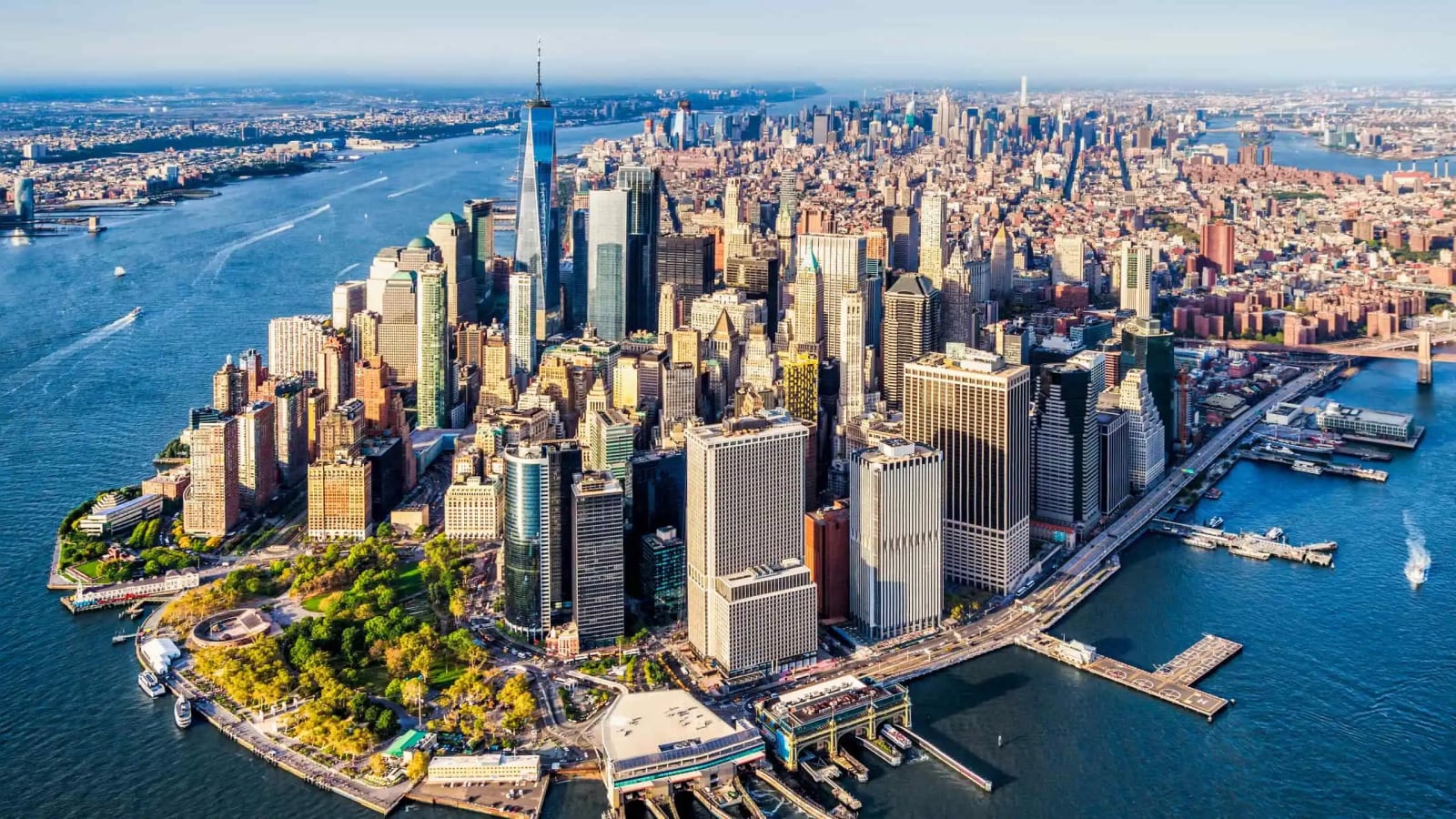
Financial District
FiDi has evolved from a nine-to-five office district into a genuine residential neighborhood, with some of the best public transit access anywhere in the city.
- •ProUnbeatable subway access, with nearly every line converging in the neighborhood
- •ProWaterfront parks along the Hudson and East Rivers, plus Battery Park nearby
- •ProMore competitive pricing per square foot than most of downtown Manhattan
- •ConStreets can feel quiet and corporate on evenings and weekends compared to residential neighborhoods
- •ConGrocery and everyday retail options are thinner than in more established residential areas
- •ConLimited historic housing stock, with most inventory in large postwar or converted office towers
Midtown and the Flatiron District
This band of Manhattan, roughly 14th Street to 59th Street, includes some of the city's most versatile neighborhoods for buyers who want strong transit, dining, and office proximity without going fully uptown.
Chelsea
Chelsea combines gallery culture, the High Line, and a dense concentration of new luxury development along the far west side.
- •ProThe High Line and Hudson River Park provide rare elevated and waterfront green space
- •ProWorld-class gallery scene concentrated between 20th and 27th Streets
- •ProExcellent walkability and subway access across multiple lines
- •ConThe High Line draws heavy tourist foot traffic through the neighborhood's core
- •ConNew development along the High Line commands some of the highest prices in the neighborhood
- •ConSchool zone scores are middling relative to nearby Greenwich Village and Gramercy Park
Flatiron
Flatiron blends historic loft architecture with a thriving restaurant and office scene, anchored by the iconic Flatiron Building itself.
- •ProCentral location with easy access to both downtown and midtown
- •ProStrong loft inventory with high ceilings and large floor plates
- •ProConsistently ranked among the most walkable neighborhoods in Manhattan
- •ConA significant daytime office population means the neighborhood quiets considerably at night
- •ConLimited green space directly within the neighborhood, with Madison Square Park as the main option
- •ConPremium pricing for loft-style units in landmarked buildings
NoMad
NoMad has become one of the most sought-after micro-neighborhoods in Manhattan, driven by boutique hotels, acclaimed restaurants, and newer luxury condo development.
- •ProA concentrated, walkable dining and hospitality scene that rivals any neighborhood in the city
- •ProStrong new development inventory with modern amenities and floor plans
- •ProCentral positioning between downtown and midtown with strong transit access
- •ConLimited housing stock relative to demand, with a smaller number of homes for sale at any given time
- •ConA commercial, hotel-driven streetscape rather than a purely residential one
- •ConAverage and median prices per square foot rank among the highest citywide
Gramercy Park
Gramercy Park is built around Manhattan's only private park, giving the surrounding blocks a distinctly quiet, prewar character.
- •ProA genuinely quiet, low-density residential feel rare for this part of Manhattan
- •ProStrong school zone ratings, among the better options in the immediate midtown area
- •ProElegant prewar co-op and townhouse stock with real architectural character
- •ConAccess to the park itself is restricted to key-holding residents on its immediate perimeter
- •ConFewer new-development options for buyers who want modern amenities
- •ConNightlife and casual retail are intentionally understated compared to nearby Union Square
Union Square
Union Square offers one of the most central, transit-connected locations in the city, anchored by its year-round Greenmarket.
- •ProExceptional subway access, with most of the city's major lines converging at the square
- •ProThe Union Square Greenmarket brings fresh food access rare for such a dense urban location
- •ProVery high walkability and proximity to both downtown and midtown
- •ConThe square itself draws large crowds and street activity that some residents find overwhelming
- •ConLimited inventory, with relatively few homes for sale at any given time
- •ConLess residential quiet compared to Gramercy Park or the West Village just blocks away
Hells Kitchen
Hells Kitchen has been reshaped by the theater district's spillover energy and a wave of newer luxury high-rises along the Hudson River.
- •ProMore accessible pricing than most of midtown, with strong value for new-development amenities
- •ProDirect access to Hudson River Park and the West Side waterfront
- •ProAn acclaimed and increasingly diverse restaurant scene
- •ConTheater district crowds and traffic can be intense on the neighborhood's eastern edge
- •ConSchool zone scores trail other midtown and downtown options
- •ConStreetscape is less architecturally consistent, mixing older tenements with new towers
Hudson Yards
Hudson Yards is Manhattan's newest large-scale neighborhood, built almost entirely from the ground up over the last decade with a focus on ultra-luxury amenities.
- •ProBrand-new towers with the most extensive amenity packages in the city, from private clubs to spas
- •ProDirect access to The Shops at Hudson Yards and the High Line's northern terminus
- •ProStrong price appreciation as the surrounding infrastructure continues to mature
- •ConThe neighborhood can feel quiet and corporate outside of business hours
- •ConLimited historic character, since nearly all of the building stock is new construction
- •ConFewer subway options than other midtown neighborhoods, relying heavily on the 7 train extension
Midtown East
Midtown East delivers some of the most iconic residential towers in the city, with skyline views that are difficult to match elsewhere in Manhattan. Buyers exploring this part of the city are also welcome to browse our current listing at 1 Central Park South.
- •ProSweeping skyline and river views from many of the neighborhood's tower residences
- •ProBest-in-class subway and commuter rail access via Grand Central Terminal
- •ProA high concentration of full-service, white-glove buildings
- •ConA heavily commercial daytime population, with less residential energy on the ground level
- •ConSchool zone ratings are modest relative to the Upper East Side just to the north
- •ConLimited green space directly within the neighborhood's core
Sutton Place
Sutton Place is a quiet, largely undiscovered East River enclave that trades big-name recognition for genuine tranquility.
- •ProA serene, low-key residential feel rare this close to midtown
- •ProDirect East River access and waterfront promenades with minimal crowds
- •ProMore attainable per-square-foot pricing than comparable Upper East Side addresses
- •ConFarther from subway lines than most midtown neighborhoods, requiring more walking or bus use
- •ConA limited, quieter retail and restaurant scene compared to neighboring areas
- •ConLower name recognition can mean a smaller, more patient buyer pool when it comes time to sell
Upper Manhattan
North of 59th Street, the Upper East Side and Upper West Side remain the two most established, family-oriented parts of Manhattan, with Lenox Hill offering a quieter alternative between Central Park and the East River.
Upper East Side
The Upper East Side is Manhattan's gold standard for traditional luxury living, home to Museum Mile and some of the best school zones in the city. Our listing at 1088 Park Avenue is a good example of the classic prewar co-op stock still available here.
- •ProThe city's top-rated school zones, a major draw for families
- •ProDirect Central Park access along with Museum Mile's concentration of world-class institutions
- •ProThe largest selection of homes for sale of any neighborhood in this guide, giving buyers real choice
- •ConMany prewar co-ops carry strict board approval requirements and financial reserve minimums
- •ConA more traditional, formal character that will not suit every buyer's taste
- •ConCross-town commutes to the west side or downtown can be slower than other neighborhoods
Upper West Side
The Upper West Side pairs grand prewar architecture with two of the city's best parks on either border. Our current listing at 6 West 95th Street sits right in the heart of this classic UWS setting.
- •ProFramed by both Central Park and Riverside Park, offering exceptional green space access
- •ProTop-tier school zone ratings and a genuinely family-oriented community feel
- •ProGrand prewar buildings with generous layouts, high ceilings, and classic detail
- •ConMany prewar buildings require renovation investment to bring kitchens and baths up to modern standards
- •ConBoard approval processes for co-ops here can be as demanding as on the Upper East Side
- •ConLess nightlife and late-night retail than downtown neighborhoods
Lenox Hill
Lenox Hill sits between Central Park and the East River, offering some of the best overall livability scores in this guide, from schools to groceries to transit.
- •ProConsistently high marks across walkability, schools, dining, and green space access
- •ProClose proximity to Madison Avenue's retail corridor and Central Park
- •ProA large, deep inventory of homes for sale, giving buyers strong negotiating leverage
- •ConProximity to several major hospitals can mean more ambulance traffic and noise on certain blocks
- •ConHousing stock skews toward established prewar buildings, with fewer new-development options
- •ConPricing sits at a premium given the neighborhood's consistently strong fundamentals
Brooklyn
Brooklyn has matured into a genuine alternative to Manhattan for buyers who want more space, a stronger sense of community, and often a lower price per square foot, without sacrificing culture or dining. For a direct side-by-side comparison of the two boroughs, see our guide on Manhattan vs. Brooklyn luxury living.
Park Slope
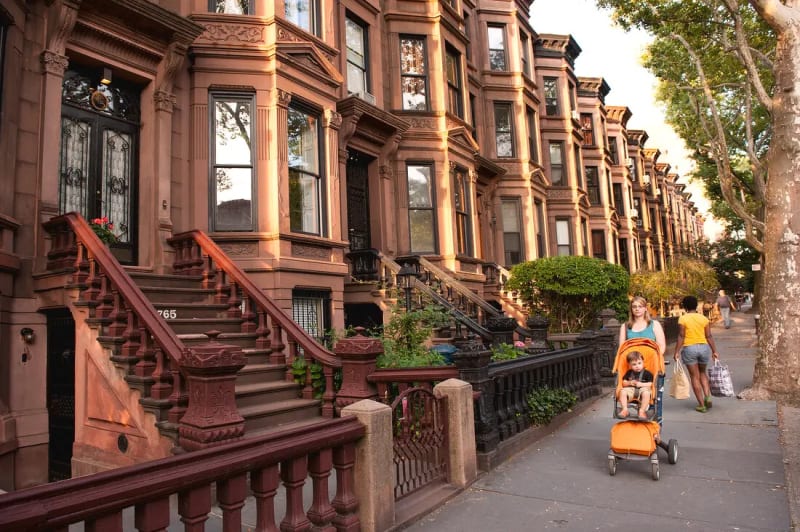
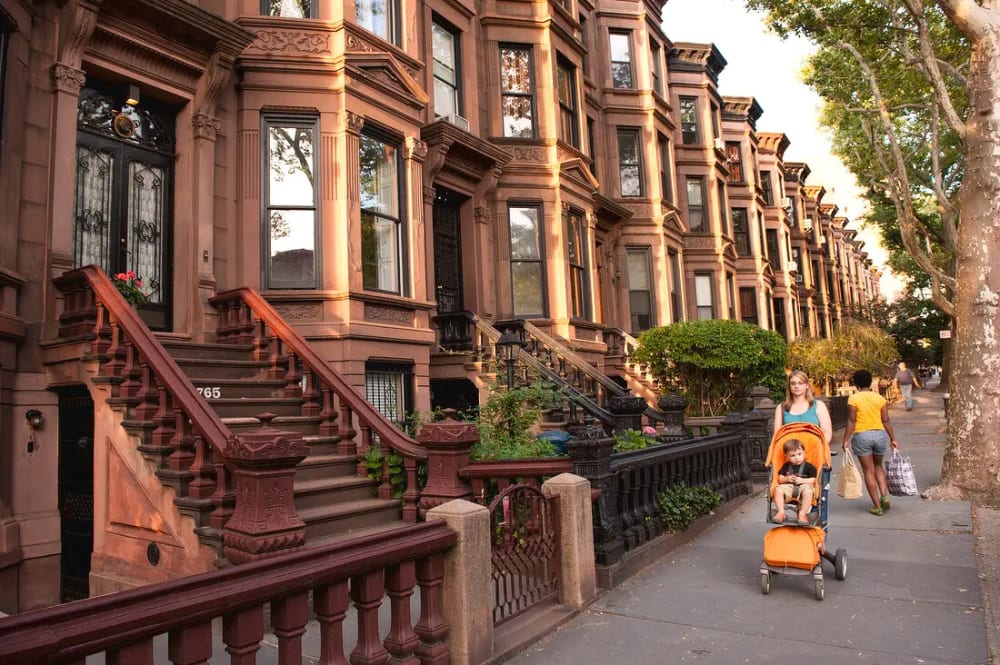
Park Slope is Brooklyn's premier brownstone neighborhood and consistently rates as one of the best places in the city to raise a family.
- •ProThe city's top school zone score in this guide, a major draw for families
- •ProProspect Park borders the neighborhood, providing exceptional green space
- •ProClassic brownstone architecture with a genuine, tight-knit community feel
- •ConA longer commute into Manhattan compared to waterfront Brooklyn neighborhoods
- •ConBrownstones often require significant renovation and carry maintenance demands condos do not
- •ConLimited new-development inventory for buyers who prefer modern construction
DUMBO
DUMBO offers some of the most dramatic views in the city, framed by the Manhattan and Brooklyn Bridges, alongside striking converted warehouse residences.
- •ProIconic bridge and skyline views unmatched by almost any other neighborhood
- •ProStrong new-development inventory alongside converted industrial lofts
- •ProBrooklyn Bridge Park provides waterfront green space directly on the neighborhood's doorstep
- •ConAmong the highest average sold prices in Brooklyn, rivaling many Manhattan neighborhoods
- •ConCobblestone streets, while charming, can be genuinely difficult for strollers and mobility devices
- •ConHeavy tourist foot traffic around the bridge viewpoints on weekends
Williamsburg
Williamsburg remains Brooklyn's most energetic waterfront neighborhood, with a creative, nightlife-driven culture that continues to attract a younger buyer base.
- •ProA genuinely vibrant nightlife, music, and creative scene unlike anywhere else in Brooklyn
- •ProPanoramic Manhattan skyline views from the waterfront esplanade
- •ProMore competitive pricing per square foot than DUMBO or most of downtown Manhattan
- •ConOngoing development means construction noise is common in parts of the neighborhood
- •ConNightlife density translates to real weekend noise in the neighborhood's core
- •ConThe L train's periodic service disruptions have historically affected the daily commute
How to Weigh These Trade-Offs
Every pro on this list has a corresponding buyer for whom it is the deciding factor, and every con is a dealbreaker for someone else. A family prioritizing school zones will weigh the Upper West Side and Park Slope very differently than a buyer who wants nightlife and walkability above everything, which points toward the East Village or Williamsburg instead. The right approach is to rank your own priorities first (schools, commute, walkability, quiet, new construction) and then let the data guide the shortlist, rather than starting from a neighborhood's reputation alone.
If you are still narrowing down your search, our guides to the best neighborhoods for families and the most walkable neighborhoods in Manhattan go deeper into two of the most common priorities we hear from clients. When you are ready to see specific homes, our exclusive listings and past sales reflect the kind of inventory available across these neighborhoods, and you can always reach out directly to walk through which trade-offs matter most for your search.
Sources & References
Neighborhood Guides